In the world of skincare, Medspa facials have emerged as a popular choice for those seeking rejuvenation and a radiant complexion. These treatments combine the expertise of medical professionals with the soothing experience of traditional spa therapies, making them a unique and effective option for facial care. But what exactly goes into these transformative treatments? Understanding the common ingredients used in Medspa facials is crucial for anyone looking to enhance their skincare regimen. From the soothing properties of botanical extracts to the scientifically-backed benefits of advanced peptides, each ingredient plays a vital role in delivering results that can be seen and felt. Whether you're a seasoned spa-goer or new to the world of Medspa treatments, this exploration will unveil the essential components that contribute to your glowing skin. Join us as we delve into the fascinating realm of Medspa facial ingredients, where nature meets science, and discover how these elements work together to provide personalized skincare solutions tailored to your unique needs.
Prepare to uncover the secrets behind beautiful skin, and learn why understanding these ingredients is the first step towards achieving your skincare goals. Medspa facials have surged in popularity as more individuals seek effective and rejuvenating skincare treatments that bridge the gap between traditional spa services and clinical dermatology. These treatments often utilize a variety of specialized ingredients designed to address specific skin concerns, making it essential for clients to understand what goes into these facials. By familiarizing themselves with the common ingredients used in medspa facials, clients can make informed decisions tailored to their individual skin types and needs. One of the most prevalent ingredients found in medspa facials is , clients can make informed decisions tailored to their individual skin types and needs. One of the most prevalent ingredients found in medspa facials is hyaluronic acid. Renowned for its exceptional ability to retain moisture, hyaluronic acid helps hydrate the skin, giving it a plump and youthful appearance.
This ingredient is particularly beneficial for individuals with dry or aging skin, as it can diminish the appearance of fine lines and enhance overall skin texture. Treatments such as hydrafacials often incorporate hyaluronic acid, allowing users to experience immediate hydration and a refreshed complexion. Another star ingredient in the realm of medspa facials is retinol, a derivative of vitamin A known for its anti-aging properties. Retinol works by promoting cell turnover, which helps to reduce the appearance of wrinkles, uneven skin tone, and texture irregularities. Facials that include retinol, such as chemical peels or anti-aging treatments, can lead to visibly firmer skin over time. , a derivative of vitamin A known for its anti-aging properties. Retinol works by promoting cell turnover, which helps to reduce the appearance of wrinkles, uneven skin tone, and texture irregularities. Facials that include retinol, such as chemical peels or anti-aging treatments, can lead to visibly firmer skin over time.
However, it is crucial to note that retinol can cause sensitivity, particularly in individuals with sensitive skin or those new to this ingredient.
Peptides
are also commonly featured in medspa facials due to their role in stimulating collagen production. These small chains of amino acids help improve skin elasticity and firmness, making them an excellent choice for clients concerned about sagging skin or loss of volume. Peptide-infused facials may leave the skin looking revitalized and more youthful after just one treatment. For those struggling with acne-prone skin, salicylic acid is a key ingredient often used in medspa facials. This beta hydroxy acid (BHA) penetrates deep into pores to dissolve excess oil and dead skin cells, effectively preventing breakouts and reducing inflammation.Facials that utilize salicylic acid, such as acne-targeted peels, can significantly improve clarity and texture over time. Lastly, vitamin C, known for its powerful antioxidant properties, plays a vital role in brightening the skin and evening out skin tone. It helps combat free radical damage while promoting collagen synthesis. Facials that incorporate vitamin C are particularly popular for those seeking to diminish dark spots or achieve a radiant glow. Clients can expect invigorating treatments that leave their complexion luminous and refreshed. While the benefits of these ingredients are well-documented, some potential concerns or misconceptions may arise.
For instance, many people worry about the safety of using ingredients like retinol or salicylic acid due to their potency. However, when used correctly under professional guidance, these ingredients are safe and effective for a broad range of skin types. A skilled esthetician will assess each client's unique skin condition and tailor the treatment accordingly, ensuring optimal results without adverse effects. To determine which medspa facial is best suited for individual needs, readers should first identify their skin type—whether it's oily, dry, combination, sensitive, or mature. Simple tests such as observing how quickly the skin becomes oily throughout the day or noting any areas of dryness can help individuals understand their skin better.
Consulting with a skincare professional can provide additional insights into specific concerns and appropriate treatments. In conclusion, understanding the common ingredients used in medspa facials not only empowers clients but also enhances their overall experience. By recognizing how each ingredient addresses distinct skin concerns—from hydration and anti-aging to acne treatment—individuals can choose facials that align with their unique needs and goals. As medspa facials continue to evolve and grow in popularity, being informed about these essential components will undoubtedly lead to healthier, more radiant skin.
What to Expect During a Medspa Facial
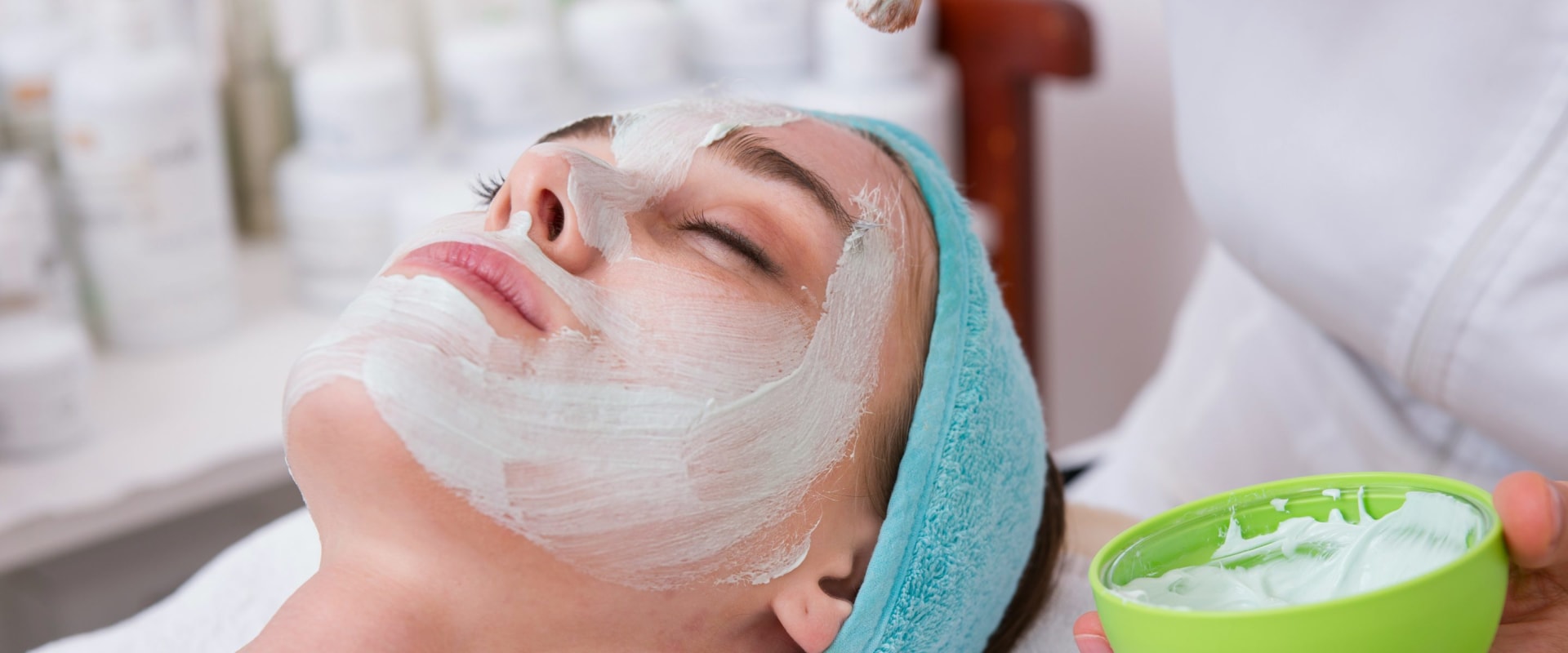
Undergoing a medspa facial is an engaging experience that begins with a thorough consultation. During this initial meeting, a licensed aesthetician will assess your skin type, concerns, and goals.This personalized approach ensures that the treatment is tailored to your specific needs, maximizing its effectiveness. Once the consultation is complete, the facial treatment can begin. The process typically includes several key steps:
- Cleansing: The aesthetician will start by cleansing your face to remove makeup, dirt, and oil, preparing your skin for deeper treatments.
- Exfoliation: Following cleansing, a gentle exfoliation is performed to slough off dead skin cells and promote cell turnover.
- Extraction: If necessary, extractions may be performed to clear clogged pores and eliminate blackheads.
- Mask Application: A customized mask is applied based on your skin type. This step helps to hydrate, soothe, or clarify the skin.
- Moisturization: To finish the treatment, a suitable moisturizer is applied to lock in hydration and protect the skin.
By adhering to these guidelines, you can enhance the results of your medspa facial and maintain healthy, glowing skin.
Choosing the Right Facial for Your Skin Type
When it comes to medspa facials, understanding your skin type is crucial in selecting the most effective treatment. Different skin types—such as oily, dry, combination, and sensitive—each have unique needs that can be addressed through specific ingredients. If you have oily skin, look for ingredients like salicylic acid or charcoal, which help control excess oil and prevent breakouts. Facials that include these components can help reduce shine and unclog pores. For those with dry skin, opt for treatments that feature hyaluronic acid, glycerin, or ceramides. These ingredients provide deep hydration and help restore the skin's moisture barrier, leaving your complexion plump and revitalized. If your skin tends to be combination, a balanced approach is key.Look for facials that incorporate both hydrating and oil-controlling ingredients, such as aloe vera and kaolin clay. This will address the needs of both dry and oily areas effectively. Lastly, individuals with sensitive skin should prioritize gentle ingredients like chamomile, green tea extract, or oatmeal. These are known for their soothing properties and can help minimize irritation while promoting overall skin health. By understanding your skin type and the ingredients that cater to its specific needs, you can make informed decisions about which medspa facial treatment will yield the best results for you.
Key Ingredients and Their Benefits
When it comes to medspa facials, the choice of ingredients plays a crucial role in achieving desired skin results. Understanding these ingredients can help individuals select the right treatment for their unique skin types.Below, we explore some of the most common ingredients used in medspa facials and their specific benefits.
Hyaluronic Acid
is a powerhouse ingredient known for its exceptional hydration properties. It can hold up to 1,000 times its weight in water, making it ideal for dry or dehydrated skin types. This ingredient helps to plump the skin, reduce the appearance of fine lines, and provide a youthful glow.Salicylic Acid
, a beta hydroxy acid (BHA), is widely used for oily and acne-prone skin. Its ability to penetrate pores allows it to exfoliate and clear away dead skin cells, reducing acne breakouts and preventing new ones from forming.Additionally, it helps to unclog pores and minimize their appearance.
Lactic Acid
is an alpha hydroxy acid (AHA) that provides gentle exfoliation while promoting cell turnover. It is especially beneficial for sensitive skin types, as it helps to improve texture and tone without causing irritation. Lactic acid also enhances moisture levels, making it suitable for those with dry or sun-damaged skin.Vitamin C
, known for its brightening properties, is an antioxidant that helps to protect the skin from environmental stressors while promoting collagen production. It is effective for all skin types, particularly those looking to reduce hyperpigmentation and achieve a more radiant complexion.Peptides
are chains of amino acids that play a key role in supporting skin structure and function.They help to stimulate collagen production, improve elasticity, and enhance overall skin firmness. Peptides are suitable for aging skin that requires extra support in maintaining its youthful appearance.
Niacinamide
, also known as Vitamin B3, is celebrated for its multi-functional benefits. It helps to strengthen the skin barrier, regulate oil production, and reduce redness and inflammation. This ingredient is particularly advantageous for sensitive or rosacea-prone skin. Understanding these key ingredients allows individuals to make informed decisions when choosing medspa facials.Different skin types require tailored approaches, and selecting facials that incorporate the right ingredients can lead to optimal results. In conclusion, understanding the common ingredients used in medspa facials is essential for making informed choices about your skincare routine. With a myriad of options available, knowing which ingredients cater to your unique skin type can significantly enhance the effectiveness of your treatments. We encourage readers to consult with professionals at their local medspas for personalized recommendations tailored to your individual skin concerns. This proactive approach will help you maximize the benefits of your medspa facial experience.