Facial treatments have become increasingly popular in recent years, offering a wide array of benefits from rejuvenation to relaxation. However, while most individuals experience positive outcomes, it is crucial to be aware of the unusual reactions that may arise after such procedures. Understanding these potential complications can help you ensure your skin remains healthy and radiant, while also empowering you to make informed decisions about your aftercare. In this article, we will delve into the various types of reactions that can occur following a facial treatment, shedding light on symptoms that warrant attention and possible intervention.
By familiarizing yourself with the signs of complications, you can act swiftly and effectively should anything unexpected arise. Whether you're a regular at the spa or considering your first facial, knowledge is your best ally. Join us as we explore the intricacies of post-treatment care and highlight essential tips for identifying any unusual reactions. Your skin deserves the best, and being prepared is key to maintaining its health and beauty. Facial treatments are increasingly popular at medspas, offering a variety of options tailored to individual skin needs.
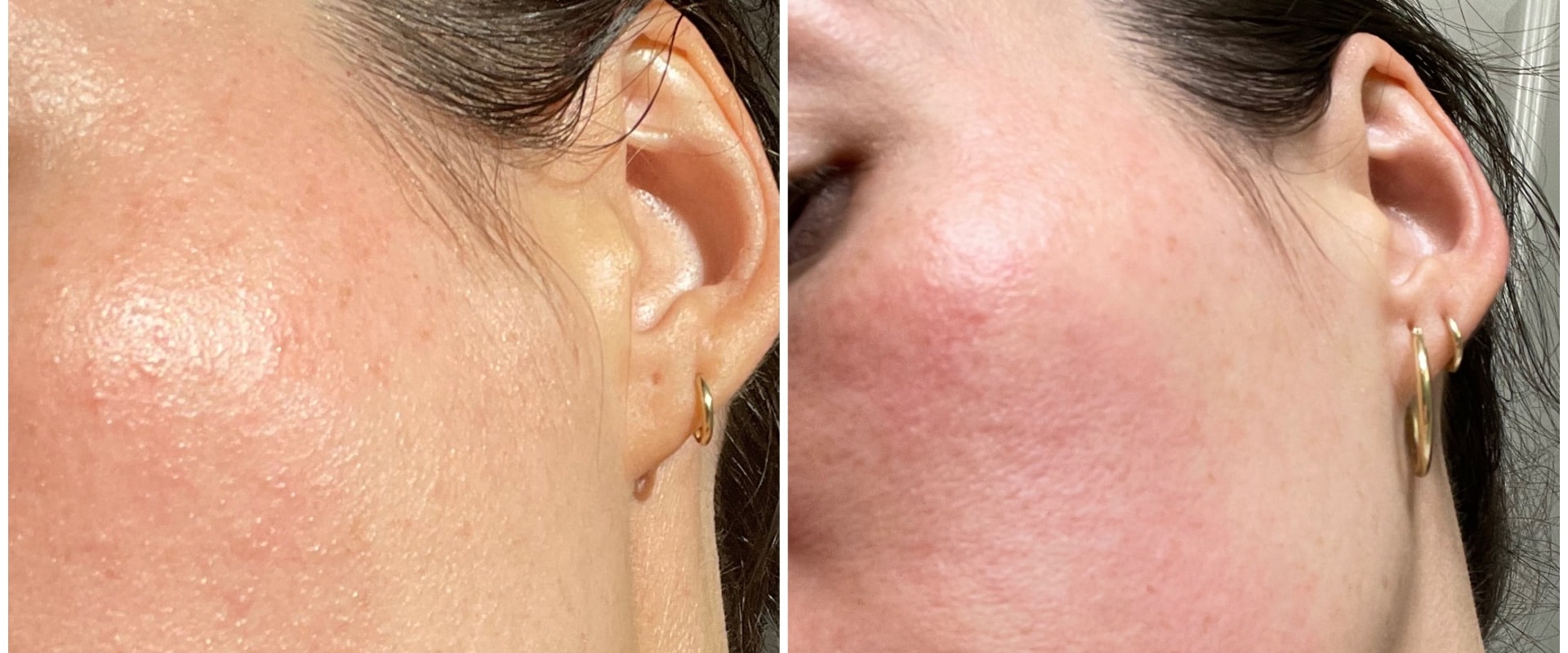
Common types of facial treatments include anti-aging facials, which often incorporate ingredients like retinoids and antioxidants to combat the signs of aging, and acne treatment facials designed to unclog pores and reduce breakouts. Additionally, hydration facials focus on replenishing moisture to the skin, using hyaluronic acid and other hydrating agents to achieve a plump and youthful appearance. While many people experience positive outcomes from these treatments, it is crucial to recognize that some individuals may encounter unusual reactions. Potential side effects can vary depending on the treatment type and skin sensitivity. Common reactions include redness, which may occur after exfoliation or chemical peels, and swelling, particularly after procedures that involve more intense manipulation of the skin.
Some individuals may also experience breakouts following certain treatments, as the skin adjusts or purges impurities brought to the surface during the facial process. These reactions can be alarming, but understanding them can help individuals differentiate between typical post-treatment effects and those that might signal a complication. It is essential to consider that different skin types can react distinctively to facial treatments. For instance, individuals with oily or acne-prone skin might experience more significant breakouts after an exfoliating treatment, while those with dry or sensitive skin may see increased redness and irritation. Knowing your skin type and how it typically reacts can aid in setting realistic expectations for post-treatment appearances. Distinguishing between normal reactions and those requiring medical attention is vital for anyone undergoing facial treatments.
Normal reactions might include mild redness that subsides within a few hours or slight tingling sensations during the application of certain products. However, if a person experiences severe swelling, persistent pain, or signs of infection such as pus or fever, it is essential to seek medical advice promptly. If someone does experience an unusual reaction following a facial treatment, it is recommended to first contact the spa or clinic where the treatment was administered. Licensed practitioners can provide guidance on whether the reaction is within normal limits or if further intervention is necessary. In some cases, over-the-counter remedies may help alleviate discomfort, but professional advice is crucial for ensuring safety. The importance of patch testing cannot be overstated when considering any facial treatment.
This involves applying a small amount of the product used in the treatment to a discreet area of skin to check for adverse reactions before proceeding with a full facial. Consulting with a licensed practitioner before beginning any treatment will also provide personalized recommendations based on one's skin type and concerns. In summary, while most individuals enjoy positive outcomes from facial treatments at medspas, being aware of potential unusual reactions is critical for effective aftercare. Recognizing different types of facials available, understanding how various skin types may respond, and knowing when to seek professional assistance can empower individuals to make informed decisions about their skincare journeys.
When to Seek Professional Help
Recognizing when to seek professional help after a facial treatment is critical for ensuring your skin's health and safety. While many post-treatment reactions are benign and temporary, there are specific scenarios where professional guidance is crucial. First and foremost, if you experience any severe or persistent symptoms such as swelling, redness, or pain that does not subside after a few hours, it is essential to consult a skincare professional.These could be signs of an allergic reaction or an infection, both of which require immediate attention. Additionally, if you notice any unusual changes in your skin texture or color, such as peeling, blistering, or discoloration, it is advisable to reach out to a dermatologist or the practitioner who performed your treatment. These symptoms may indicate a more serious reaction that needs to be addressed. Another key scenario to watch for is the development of acne or other breakouts following a facial treatment. While some people may experience mild breakouts due to skin purging, persistent or severe acne can signify an adverse reaction to the products used during the treatment. Lastly, if your skin feels unusually sensitive or reactive beyond the typical post-facial sensations, do not hesitate to seek advice. A professional can help identify whether your skin is responding negatively to specific ingredients or techniques used during your treatment. In conclusion, being vigilant about your skin's responses after a facial treatment and knowing when to seek help can make a significant difference in your overall experience and well-being.
Common Unusual Reactions and Their Causes
After undergoing a facial treatment, it is essential to be aware of unusual reactions that may arise, as they can indicate underlying issues or complications.While most individuals experience positive outcomes, some may encounter unexpected reactions based on the treatment type and their skin type. Here are some common unusual reactions and their potential causes:1.Redness and Irritation: A degree of redness is expected after a facial, especially if exfoliating or resurfacing treatments were involved. However, prolonged or severe redness may indicate an allergic reaction to products used during the treatment or sensitivity to ingredients such as acids or enzymes.
2.Swelling:
Mild swelling can occur after certain treatments, particularly those involving extractions or injections. Severe swelling could signal an allergic response or an infection, necessitating immediate attention.3.Breakouts:
Some clients may experience post-facial breakouts due to the clogging of pores from heavy products or the stimulation of oil production during the treatment.This can also occur if the skin was not adequately prepped or if the products used were not suitable for the client’s skin type.
4.Dryness and Flaking:
After deep exfoliation treatments like peels, it’s common for the skin to feel dry and flaky as it renews itself. However, excessive dryness might suggest over-exfoliation or using products that are too harsh for the client's skin.5.Burning or Tingling Sensation:
While a mild tingling sensation can be normal during certain treatments, a persistent burning feeling could indicate a reaction to active ingredients or an improper application.6.Changes in Skin Color:
Hyperpigmentation or hypopigmentation can occur after treatments involving heat or light therapies. This is often temporary but can become permanent if not managed correctly. Understanding these unusual reactions is crucial for clients who wish to make informed decisions regarding aftercare and future treatments. Recognizing these symptoms early can lead to timely intervention and better overall outcomes.How to Manage Reactions Post-Facial
Managing reactions after a facial treatment is crucial to ensure a smooth recovery and maintain skin health.While most individuals experience positive outcomes, some may face unusual reactions that require attention. Here are some practical tips for aftercare:1.Keep the Skin Clean: After a facial, it's essential to keep the skin clean. Use a gentle, non-irritating cleanser to remove any residual products or impurities without stripping the skin of its natural oils.
2.Hydrate the Skin
: Hydration is key to soothing irritated skin. Apply a calming moisturizer that contains ingredients like hyaluronic acid or aloe vera, which can help to reduce redness and provide relief.3.Avoid Harsh Products
: Steer clear of products containing alcohol, fragrances, or exfoliating agents for at least a few days post-treatment.These can exacerbate irritation and lead to further complications.
4.Use Cold Compresses
: If you experience swelling or discomfort, applying a cold compress can be beneficial. This helps to constrict blood vessels and reduce inflammation.5.Sun Protection
: Protecting your skin from UV exposure is vital after a facial. Use a broad-spectrum sunscreen with an SPF of 30 or higher, even on cloudy days, to prevent further irritation and promote healing.6.Avoid Touching the Face
: Refrain from touching your face to minimize the risk of introducing bacteria and causing breakouts or infections.7.Consult with Professionals
: If unusual reactions persist or worsen, it is advisable to consult with your skincare professional or dermatologist for tailored advice and treatment options. By following these aftercare tips, individuals can effectively manage any unusual reactions post-facial and ensure their skin remains healthy and vibrant. In conclusion, understanding unusual reactions after facial treatments is crucial for maintaining skin health and ensuring a positive experience. Throughout this article, we have explored the common unusual reactions, their potential causes, and effective management strategies.Recognizing these reactions allows individuals to make informed decisions regarding their aftercare and helps in choosing the most suitable treatments for their skin type. It is important to remember that while many people enjoy beneficial results from facials, some may encounter unexpected challenges. By being proactive about skincare and remaining vigilant for any signs of complications, individuals can safeguard their skin's health. If any unusual symptoms arise, seeking professional advice promptly can prevent further issues and lead to better outcomes. Ultimately, awareness and education are key components in navigating the world of facial treatments. Stay informed, listen to your body, and don't hesitate to reach out to skincare professionals whenever necessary.