In a world where first impressions are often made in an instant, glowing, radiant skin has become a universal desire. As we navigate through the endless options for skin rejuvenation, In a world where first impressions are often made in an instant, glowing, radiant skin has become a universal desire. As we navigate through the endless options for skin rejuvenation, Chemical Peels emerge as a powerful ally in the quest for flawless complexions. These innovative treatments not only enhance your skin's appearance but also promote overall skin health, making them a cornerstone of modern skincare regimens. Imagine stepping into a serene medspa environment, where the air is infused with soothing aromas and the promise of transformation hangs in the air.
Chemical Peels
offer more than just aesthetic benefits; they provide a unique opportunity to renew and revitalize your skin at multiple levels.By exfoliating the outer layers and stimulating the regeneration of new cells, these peels can address a wide range of skin concerns—from fine lines and uneven texture to acne scars and hyperpigmentation. Whether you're new to skincare treatments or seeking to elevate your existing routine, understanding the transformative power of Chemical Peels is essential. In this article, we will explore the various types of chemical peels available, their specific benefits, and how they can unlock your skin's hidden radiance. Join us as we delve into the science behind these treatments and discover how you can achieve a luminous complexion that not only looks good but feels revitalized and healthy.
Chemical peels
are increasingly popular treatments offered at medspas, known for their ability to enhance skin appearance and address various skin concerns. As a category of specialty facials, they are sought after for their effectiveness in treating issues such as aging, acne, and uneven skin tone.With the rise of interest in specialized facials, chemical peels stand out due to their versatility and proven results. There are three main types of chemical peels: superficial, medium, and deep. Each type varies in depth of penetration and intensity, allowing for tailored treatments based on individual skin needs.
Superficial peels
, often composed of alpha-hydroxy acids (AHAs) like glycolic acid or lactic acid, gently exfoliate the outer layer of the skin. They effectively address mild skin concerns such as fine lines, dryness, and minor sun damage, resulting in a brighter complexion with minimal downtime.Medium peels
, typically utilizing trichloroacetic acid (TCA), penetrate deeper into the skin.These are designed to treat more pronounced issues like age spots, moderate acne scars, and deeper wrinkles. Clients may experience a more noticeable transformation with medium peels, often achieving smoother skin texture and improved pigmentation. Recovery time is generally longer than with superficial peels, but the results can be well worth it.
Deep peels
, using potent ingredients like phenol, target severe skin concerns including deep wrinkles, significant sun damage, and extensive acne scarring. This type of peel provides dramatic results but requires careful consideration due to longer recovery periods and potential side effects.It’s essential for clients to consult with a qualified professional to determine if a deep peel is appropriate for their specific skin condition. The ingredients used in chemical peels play a crucial role in their effectiveness. AHAs are great for hydration and gentle exfoliation, while BHAs (beta-hydroxy acids) are ideal for oily and acne-prone skin due to their ability to penetrate pores. Salicylic acid is another common ingredient that helps reduce inflammation and unclog pores. For medium and deep peels, agents like TCA and phenol not only exfoliate but also stimulate collagen production, leading to long-term skin rejuvenation. Clients can expect a comprehensive experience during a chemical peel session.
Typically lasting between 30 minutes to an hour, the procedure begins with thorough cleansing of the skin, followed by the application of the chosen peeling solution. Depending on the type of peel, clients may feel varying sensations—from mild tingling during a superficial peel to a more intense burning feeling with deep peels. After the peel is completed, a soothing balm or moisturizer is often applied. Aftercare is essential for optimal recovery and results. It usually includes avoiding sun exposure, using gentle cleansers, and applying sunscreen diligently.
Clients may experience redness or peeling in the days following the treatment; however, these effects are temporary. With proper care, visible improvements can often be seen within a week. Testimonials from satisfied clients highlight the positive outcomes of chemical peels. One client reported significant reduction in her acne scars after just two medium peel sessions, stating that her confidence soared as her skin became smoother and clearer. Another client shared her journey of combating sun damage through deep peels; she noted that the process was uncomfortable but ultimately led to a revitalized complexion that made her look years younger. Potential clients often have questions regarding pain levels and recovery times associated with chemical peels.
While discomfort varies by peel type—superficial peels generally being less painful than deep ones—most practitioners offer numbing agents to ease the process. Recovery times can range from a few days for superficial peels to several weeks for deep peels, depending on individual skin types and conditions. Finally, factors such as skin type and specific concerns will influence the choice of peel. Those with sensitive skin may benefit from gentler superficial peels, while individuals dealing with severe acne or significant aging signs might opt for medium or deep options after thorough consultation with their skincare professional. In summary, chemical peels offer transformative benefits across various skin types and conditions, making them a staple treatment at medspas aimed at enhancing natural beauty.
Finding a Medspa Near You
When considering a Chemical Peel treatment, finding a reputable medspa is crucial to ensuring a safe and effective experience. Start your search by looking for medspas that are licensed and have qualified professionals performing the treatments.Check if the practitioners have credentials such as medical licenses, certifications in aesthetics, or specific training in Chemical Peels.Online reviews are an invaluable resource in your search. Look for testimonials on platforms like Google, Yelp, or specialized beauty forums. Pay attention to feedback regarding the effectiveness of treatments, the professionalism of staff, and overall client satisfaction. High ratings and positive comments can indicate a reliable medspa. It’s also beneficial to schedule consultations with potential medspas.
During these visits, ask questions about their Chemical Peel offerings, the types of peels available, and their approach to skin care. A reputable medspa will be transparent about their procedures, discuss potential risks, and tailor recommendations based on your unique skin concerns. Finally, consider the ambiance and cleanliness of the facility. A professional environment not only enhances your experience but also reflects the standards of care you can expect. By taking the time to research and evaluate your options, you can find a medspa that meets your needs and provides the transformative benefits of Chemical Peels.
Benefits of Chemical Peels
Chemical peels offer a multitude of advantages for individuals seeking to enhance their skin’s appearance and health.One of the most notable benefits is their effectiveness in addressing anti-aging concerns. As we age, our skin undergoes changes that can lead to fine lines, wrinkles, and uneven texture.
Chemical peels
work by exfoliating the outer layers of the skin, promoting cell turnover and revealing a fresher, more youthful complexion. In addition to anti-aging properties, chemical peels are also highly regarded for their ability to treat acne. By removing dead skin cells and unclogging pores, these treatments can significantly reduce the occurrence of breakouts and improve overall skin clarity.Many patients experience fewer blemishes and a reduction in acne scars following a series of peels. Moreover, chemical peels contribute to overall skin rejuvenation. They not only improve skin texture but also enhance tone and brightness. With regular treatments, individuals can achieve a more radiant and even complexion, making chemical peels a sought-after option in medspa facial offerings. The growing interest in specialized facials has positioned chemical peels as a key player in the realm of skincare. Their versatility in addressing a variety of skin concerns makes them an appealing choice for those looking to invest in their skin health.
Choosing the Right Chemical Peel for Your Skin
Choosing the right chemical peel can significantly enhance your skincare routine and address specific skin concerns effectively.Understanding your skin type and the issues you wish to tackle is crucial in selecting the most suitable peel. There are generally three main types of chemical peels: superficial, medium, and deep.
Superficial peels
, often made from alpha-hydroxy acids (AHAs), are ideal for those with sensitive skin or mild concerns like dryness and dullness. They provide a gentle exfoliation that helps to refresh the skin without significant downtime.Medium peels
, which typically use trichloroacetic acid (TCA), are effective for treating more pronounced issues such as uneven skin tone, fine lines, and moderate acne scarring. If you have combination or normal skin with visible imperfections, a medium peel may offer the transformative results you seek. For deeper issues, such as severe acne scars or signs of aging, deep peels are recommended.These peels penetrate further into the skin and often use phenol or higher concentrations of TCA. However, they require a longer recovery time and should be approached with caution, particularly for individuals with sensitive skin types. Additionally, it’s essential to consider your skin’s unique characteristics. For oily or acne-prone skin, peels containing salicylic acid may be beneficial, as they can help unclog pores and reduce excess oil. Conversely, dry or sensitive skin types might benefit more from AHAs or gentle formulations that hydrate while exfoliating. Before deciding on a chemical peel, consult with a qualified skincare professional who can assess your skin type and recommend an appropriate treatment plan tailored to your needs.
This personalized approach ensures you achieve optimal results while minimizing potential side effects.
Types of Chemical Peels
Chemical peels are categorized based on their depth of penetration into the skin, which directly affects their effectiveness and the type of skin concerns they address. The three main types of chemical peels are superficial, medium, and deep.Superficial chemical peels
are the mildest form of peel, typically using alpha hydroxy acids (AHAs) or beta hydroxy acids (BHAs). These peels penetrate only the outermost layer of the skin, making them ideal for improving skin texture, tone, and minor discoloration. They are often recommended for individuals with sensitive skin or those seeking a quick refresh without significant downtime.Medium chemical peels
go deeper, targeting the epidermis and part of the dermis.These peels usually utilize trichloroacetic acid (TCA) and can effectively treat more pronounced skin issues such as fine lines, moderate sun damage, and more stubborn acne scars. Patients may experience some peeling and redness post-treatment, but the results can be more dramatic compared to superficial peels.
Deep chemical peels
, on the other hand, involve a more intensive treatment that reaches deeper layers of skin. They often use phenol or higher concentrations of TCA and are designed to address severe skin problems like deep wrinkles, significant acne scarring, and advanced sun damage. While these peels can yield remarkable results, they require a longer recovery time and should be performed by highly trained professionals. Understanding the differences between these types of chemical peels can help individuals make informed decisions about which treatment is best suited for their specific skin concerns and goals.What to Expect During a Chemical Peel
Undergoing a chemical peel can be an exciting journey towards achieving clearer, more radiant skin.Here’s a step-by-step overview of what to expect during the process.
Consultation:
Before any treatment begins, you will have a thorough consultation with a licensed skincare professional. During this session, your skin type and concerns will be assessed, and the appropriate type of chemical peel will be recommended based on your individual needs. This is also the time to discuss your medical history, any previous skin treatments, and your skincare goals.Treatment Steps:
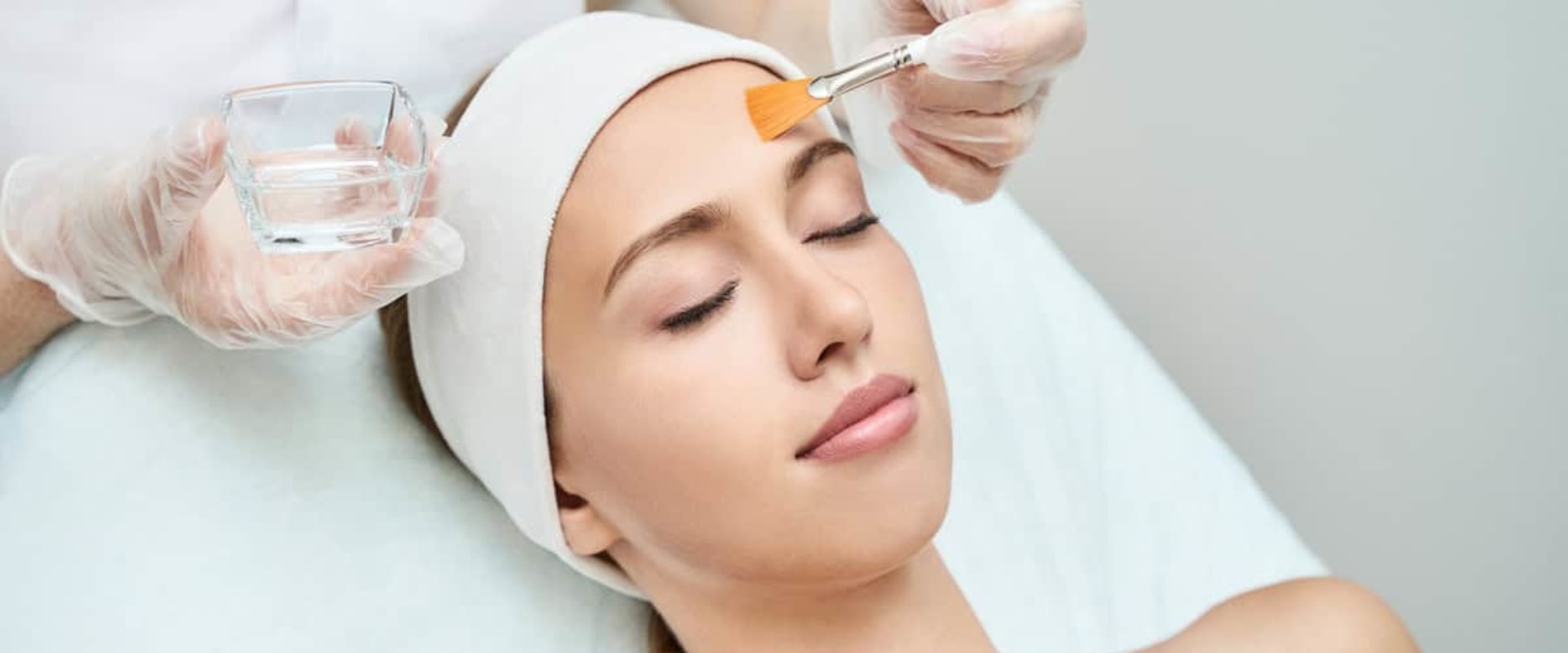
On the day of the treatment, you will arrive at the medspa for your appointment. The skincare professional will cleanse your face to remove any makeup and impurities.Once your skin is prepped, the chosen chemical solution will be applied evenly across your face. Depending on the strength of the peel, you may feel a slight tingling or burning sensation, which typically subsides quickly. The duration of the application can vary from a few minutes to longer, depending on the type of peel. After the designated time, the solution will be neutralized or removed, and a soothing serum or moisturizer may be applied to help calm the skin. The entire procedure usually takes about 30 minutes to an hour.
Post-Treatment Care:
Following your chemical peel, it is essential to follow specific aftercare instructions to ensure optimal healing and results.You may experience some redness, peeling, or sensitivity in the days following the treatment. It’s crucial to avoid sun exposure and apply sunscreen diligently. Your skincare professional will provide guidance on how to care for your skin, including what products to use and when it is safe to resume regular skincare routines. Overall, understanding what to expect during a chemical peel can help alleviate any anxiety and prepare you for an effective treatment that can significantly enhance your skin's appearance. In conclusion, Chemical Peels represent a transformative approach to skincare, effectively addressing a variety of concerns such as aging and acne. This article has explored the different Types of Chemical Peels, their numerous Benefits, what to expect during the treatment process, and how to choose the right peel for your skin type.
With the growing interest in specialized facials, it’s clear that Chemical Peels are not just a trend but a staple in modern skincare routines. However, it’s crucial to consult with qualified professionals at your local medspa to ensure you receive the best treatment tailored to your unique skin needs.