In the quest for radiant skin, many of us often overlook two crucial elements that can significantly impact our complexion: hydration and nutrition. While topical treatments and cosmetic procedures can provide immediate results, the foundation of healthy skin lies deep within our bodies. What we consume and how well we hydrate ourselves play pivotal roles in determining the vitality and appearance of our skin. Imagine waking up each day to a complexion that glows with health and vibrancy, free from dryness, dullness, and premature aging. This dream is not as far-fetched as it may seem.
By understanding the relationship between hydration and nutrition, we can equip ourselves with the knowledge to nurture our skin from the inside out. A balanced diet rich in essential nutrients, combined with adequate water intake, creates the perfect environment for skin cells to thrive, regenerate, and reveal their natural beauty. In this article, we will delve into the intricate connection between hydration, nutrition, and skin health. We will explore the types of foods that nourish your skin, the importance of staying hydrated, and practical tips to incorporate these elements into your daily routine. Whether you are recovering from a facial treatment or simply aiming to maintain your skin's youthful glow, understanding these principles is essential for achieving long-term results. Join us on this journey towards understanding how simple changes in your diet and hydration habits can lead to a more radiant complexion.
Your skin deserves the best care possible, and it all begins with what you put inside your body. Maintaining a glowing complexion goes far beyond the creams and serums we apply to our skin; it starts from within. The relationship between hydration and nutrition is pivotal for achieving healthy skin, yet many individuals seeking medspa facials may not realize just how significant an impact their dietary choices have on their skin's appearance. Proper hydration and nutrition can enhance the effects of facial treatments, leading to better long-term results. Water is the most fundamental component of is pivotal for achieving healthy skin, yet many individuals seeking medspa facials may not realize just how significant an impact their dietary choices have on their skin's appearance. Proper hydration and nutrition can enhance the effects of facial treatments, leading to better long-term results. Water is the most fundamental component of hydration. The human body is composed of about 60% water, and this essential fluid plays a critical role in maintaining skin elasticity, promoting circulation, and flushing out toxins.
Dehydrated skin can appear dull, flaky, and more prone to wrinkles. A study published in the journal Clinical, Cosmetic and Investigational Dermatology found that increasing water intake significantly improved skin hydration and elasticity, highlighting the importance of drinking enough water daily. Aim for at least eight 8-ounce glasses of water per day, but individual needs may vary based on activity level and climate. Alongside hydration, key nutrients contribute significantly to skin health. Vitamins C and E are antioxidants that protect the skin from oxidative stress caused by free radicals, which can lead to premature aging.
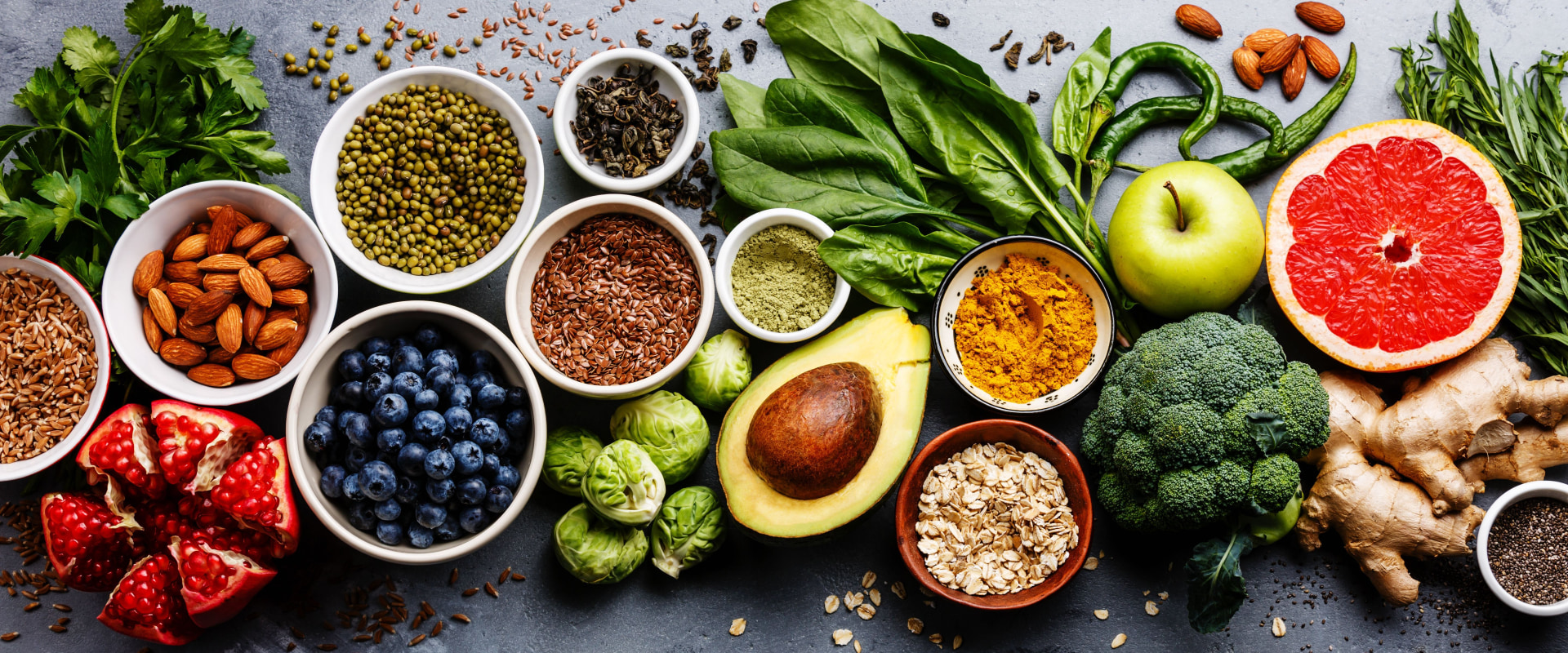
Vitamin C is crucial for collagen production, helping to maintain skin firmness and elasticity. Foods rich in vitamin C include citrus fruits, strawberries, bell peppers, and broccoli. On the other hand, vitamin E can be found in nuts, seeds, and green leafy vegetables. Incorporating these foods into your diet can bolster your skin's natural defenses and promote a youthful appearance. Antioxidants are another essential component of a skin-friendly diet.
They combat free radical damage that accelerates aging. Berries, dark chocolate, and green tea are excellent sources of antioxidants. Research published in the journal Nutrition has demonstrated that diets high in antioxidants are associated with reduced signs of aging and improved skin health. Regularly consuming these antioxidant-rich foods can help reduce inflammation and improve overall skin texture. Healthy fats are also vital for maintaining skin health.
Omega-3 fatty acids found in fatty fish like salmon, walnuts, and flaxseeds help maintain the skin's lipid barrier, preventing moisture loss and reducing inflammation. A study in the American Journal of Clinical Nutrition indicated that participants who consumed higher levels of omega-3s had significantly improved skin hydration and a reduction in inflammatory skin conditions like acne. The incorporation of these nutrient-dense foods into your daily diet doesn’t have to be complicated. Start your day with a smoothie packed with spinach (for vitamin E), berries (for antioxidants), and flaxseed (for omega-3s). Enjoy a colorful salad at lunch filled with bell peppers (vitamin C) and avocado (healthy fats).
For dinner, consider grilled salmon with a side of steamed broccoli or quinoa. Snacking on nuts or yogurt can also provide additional nutrients beneficial for your skin. It’s important to address common misconceptions regarding skincare routines that focus solely on topical treatments. Many believe that applying products will solely suffice for achieving healthy skin while neglecting the role of diet. However, topical treatments can only do so much if the foundation of hydration and nutrition is lacking.
A well-rounded approach that includes both internal wellness through proper nutrition and external care through skincare products will yield the best results. In conclusion, investing in hydration and nutrition is essential for anyone looking to improve their skin health sustainably. By understanding the profound impact that what we consume has on our skin's appearance and making conscious dietary choices rich in vital nutrients, individuals can enhance their facial treatments' effectiveness and promote long-lasting radiance.
Understanding Hydration's Impact on Skin
Staying properly hydrated is essential for maintaining healthy skin. When you drink sufficient water, it helps to keep your skin moisturized, allowing it to maintain its natural elasticity and softness. Without adequate hydration, the skin can become dry, leading to a dull appearance and increased visibility of fine lines and wrinkles. Water plays a crucial role in delivering vital nutrients to skin cells, which is necessary for their regeneration and repair.When your body is well-hydrated, it promotes skin moisture levels that are optimal for a youthful glow. Dehydration, on the other hand, can result in an imbalance that negatively affects the skin's texture and overall complexion. Moreover, drinking enough water can help flush out toxins from the body, which further contributes to clearer and healthier-looking skin. This detoxification process is essential for anyone undergoing facial treatments, as it enhances the effectiveness of the procedures by allowing the skin to better absorb nutrients and rejuvenate itself. In summary, prioritizing hydration not only supports your overall health but also plays a vital role in achieving radiant skin. Make it a habit to drink water consistently throughout the day to enjoy the long-term benefits that come with proper hydration.
The Connection Between Diet and Facial Treatments
Good nutrition plays a pivotal role in enhancing the results of medspa facials.When individuals prioritize their diet, they not only promote overall health but also improve the skin's ability to respond to treatments. A diet rich in vitamins, minerals, and antioxidants can help support the skin’s natural repair mechanisms, making it more resilient and receptive to facial therapies. For instance, foods high in vitamin C, such as citrus fruits and leafy greens, can boost collagen production, which is essential for maintaining skin elasticity and firmness. This increased collagen synthesis allows facial treatments to work more effectively, as the skin is better equipped to heal and rejuvenate. Additionally, incorporating healthy fats from sources like avocados and nuts can enhance skin hydration from within. Well-hydrated skin is more supple and can better absorb serums and other active ingredients used during medspa facials.
This synergy between nutrition and skincare treatments creates a powerful combination that maximizes the benefits of each session. Moreover, staying adequately hydrated by drinking plenty of water is crucial. Proper hydration helps flush out toxins that can lead to dullness and breakouts, thereby allowing facial treatments to yield more radiant results. When clients focus on both hydration and nutrition, they set the stage for optimal skin health and long-lasting beauty.
Long-Term Aftercare: Maintaining Skin Health Post-Facial
After receiving a facial treatment, maintaining the benefits requires a commitment to ongoing hydration and nutrition. These practices not only help in preserving the results of your treatment but also contribute to overall skin health. Firstly, make sure to drink plenty of water daily.Staying well-hydrated helps to keep your skin plump and reduces the appearance of fine lines and wrinkles. Aim for at least 8 glasses of water a day, and consider increasing this amount if you are physically active or live in a dry climate. Incorporating a balanced diet rich in vitamins and minerals is equally important. Focus on consuming foods high in antioxidants, such as berries, leafy greens, and nuts. These nutrients help combat free radicals that can damage skin cells and lead to premature aging. Additionally, include healthy fats in your diet, such as those found in avocados, olive oil, and fatty fish.
Omega-3 fatty acids are particularly beneficial for maintaining the skin's lipid barrier, which helps retain moisture and keep the skin looking youthful. Don't forget about the importance of incorporating foods rich in vitamin C, like citrus fruits and bell peppers. Vitamin C plays a crucial role in collagen production, which is essential for maintaining skin elasticity and firmness. Finally, consider supplementing your diet with probiotics, which can support gut health. A healthy gut microbiome is linked to improved skin conditions and can enhance the absorption of nutrients that benefit your skin. By consistently following these hydration and nutrition practices post-facial, you can ensure that your skin remains radiant and healthy long after your treatment has ended.
Nutritional Essentials for Glowing Skin
Maintaining healthy skin goes beyond topical treatments; it is essential to nourish your body from within. The vitamins and minerals you consume play a crucial role in achieving that coveted glow.Here, we will explore the key nutrients necessary for skin health, their sources, and how they can help combat various skin conditions.
Vitamin A
is essential for skin cell production and repair. It helps reduce the appearance of fine lines and wrinkles by promoting a healthy turnover of skin cells. You can find Vitamin A in foods such as sweet potatoes, carrots, spinach, and kale.Vitamin C
is another powerhouse nutrient that aids in collagen production, which is vital for maintaining skin elasticity. It also acts as an antioxidant, protecting the skin from free radical damage.Excellent sources of Vitamin C include citrus fruits, strawberries, bell peppers, and broccoli.
Vitamin E
, known for its moisturizing properties, helps protect the skin from oxidative stress and UV damage. Nuts, seeds, and green leafy vegetables are rich in Vitamin E, making them essential for any skin health regimen.Zinc
is a mineral that supports the skin's healing process and is crucial for controlling oil production. It also helps with inflammatory skin conditions such as acne. Foods like oysters, beef, pumpkin seeds, and lentils are great sources of Zinc.Omega-3 fatty acids
, found in fatty fish like salmon and walnuts, have anti-inflammatory properties that can help keep your skin hydrated and reduce redness.These essential fats are integral to maintaining a healthy skin barrier. By incorporating these vital nutritional essentials into your diet, you can significantly enhance your skin's appearance and overall health. Remember that a well-balanced diet is a key component of long-term skincare success.
Choosing the Right Facial for Your Skin Type
When it comes to achieving radiant skin, understanding your unique skin type is crucial. Each skin type has specific needs that can be addressed through tailored facial treatments.Hydration
and nutrition play a pivotal role in this process, influencing not just the treatment's effectiveness but also the overall health of your skin. If you have oily skin, look for facials that focus on balancing oil production and minimizing shine.Treatments that include salicylic acid or clay masks can help absorb excess oil while ensuring your skin remains hydrated. Pairing these facials with a diet rich in antioxidants and healthy fats can further enhance your results. For those with dry skin, opt for facials that emphasize intense hydration. Ingredients such as hyaluronic acid and glycerin are excellent for drawing moisture into the skin. Alongside these treatments, maintaining a diet high in omega-3 fatty acids—found in fish, nuts, and seeds—can support your skin's moisture barrier from within. If you have combination skin, seek out customized facials that address both oily and dry areas.
Treatments that incorporate hydrating serums with light exfoliation can balance these contrasting needs. To complement this, ensure your nutrition includes a variety of vitamins, particularly vitamin E and C, which can help nourish all areas of your skin. For sensitive skin, gentle facials are essential. Look for treatments that are free of harsh chemicals and fragrances, focusing instead on calming ingredients like aloe vera and chamomile. A diet rich in anti-inflammatory foods—such as leafy greens and berries—can also help reduce redness and irritation. Ultimately, choosing the right facial is about understanding your skin type and aligning it with proper hydration and nutrition practices.
By doing so, you not only enhance the immediate effects of your facial treatment but also pave the way for long-term skin health.
Understanding Hydration's Impact on Skin
Hydration plays a crucial role in maintaining the health and appearance of our skin. The body is composed of approximately 60% water, and this essential fluid is vital for numerous bodily functions, including the maintenance of skin moisture levels. When we drink sufficient water, it helps to keep the skin hydrated from the inside out, which is fundamental for achieving a radiant complexion. Without adequate hydration, the skin can become dry and flaky, leading to a dull appearance. Dehydrated skin often loses its elasticity, making it more prone to wrinkles and fine lines.When you are properly hydrated, your skin retains its plumpness and suppleness, which enhances its overall texture and glow. Moreover, hydration can significantly impact how well your skin responds to various facial treatments. Many individuals seeking medspa facials may not realize that the effectiveness of these treatments is amplified when the skin is well-hydrated. Proper hydration allows for better absorption of active ingredients used in facials, resulting in improved outcomes and longer-lasting effects. Incorporating sufficient water intake into your daily routine is a simple yet effective way to boost your skin's health. Aim to drink at least eight 8-ounce glasses of water daily, and consider increasing your intake if you're physically active or live in a dry climate.
By prioritizing hydration, you not only support your skin's appearance but also contribute to your overall health and well-being.
Understanding Hydration's Impact on Skin
Hydration plays a crucial role in maintaining the health and appearance of our skin. When we consume an adequate amount of water, it helps to keep our skin hydrated, which is essential for maintaining optimal moisture levels. Dehydrated skin can appear dull, dry, and more prone to fine lines and wrinkles. Drinking sufficient water not only improves skin moisture levels but also enhances the skin's elasticity. Proper hydration allows the skin to retain its natural suppleness and firmness, giving it a youthful glow.Without enough water, the skin can lose its elasticity, leading to sagging and an aged appearance. Moreover, well-hydrated skin can better defend itself against environmental aggressors and irritants. It acts as a barrier, helping to reduce the risk of irritation and inflammation. This is particularly important for individuals who undergo facial treatments, as their skin may be more sensitive afterward. In summary, ensuring that you drink enough water daily is vital for maintaining healthy skin. Not only does it improve the overall appearance of your skin, but it also enhances the effectiveness of facial treatments by promoting better absorption of nutrients and moisture. In conclusion, hydration and nutrition play a vital role in achieving and maintaining healthy skin.
The synergy between what we consume and the treatments we undergo at medspas cannot be overstated. By recognizing the significance of these lifestyle choices, individuals can enhance the benefits of their facial treatments, leading to more radiant and resilient skin. We encourage readers to reflect on their daily habits and consider how they can integrate better hydration and nutritious foods into their routines. This holistic approach not only supports the skin but also promotes overall wellness. Lastly, it is essential to consult with professionals at medspas who can provide personalized skincare regimens that include dietary recommendations tailored to individual needs. By combining expert advice with proper aftercare, you can maximize your skincare results and enjoy lasting beauty.