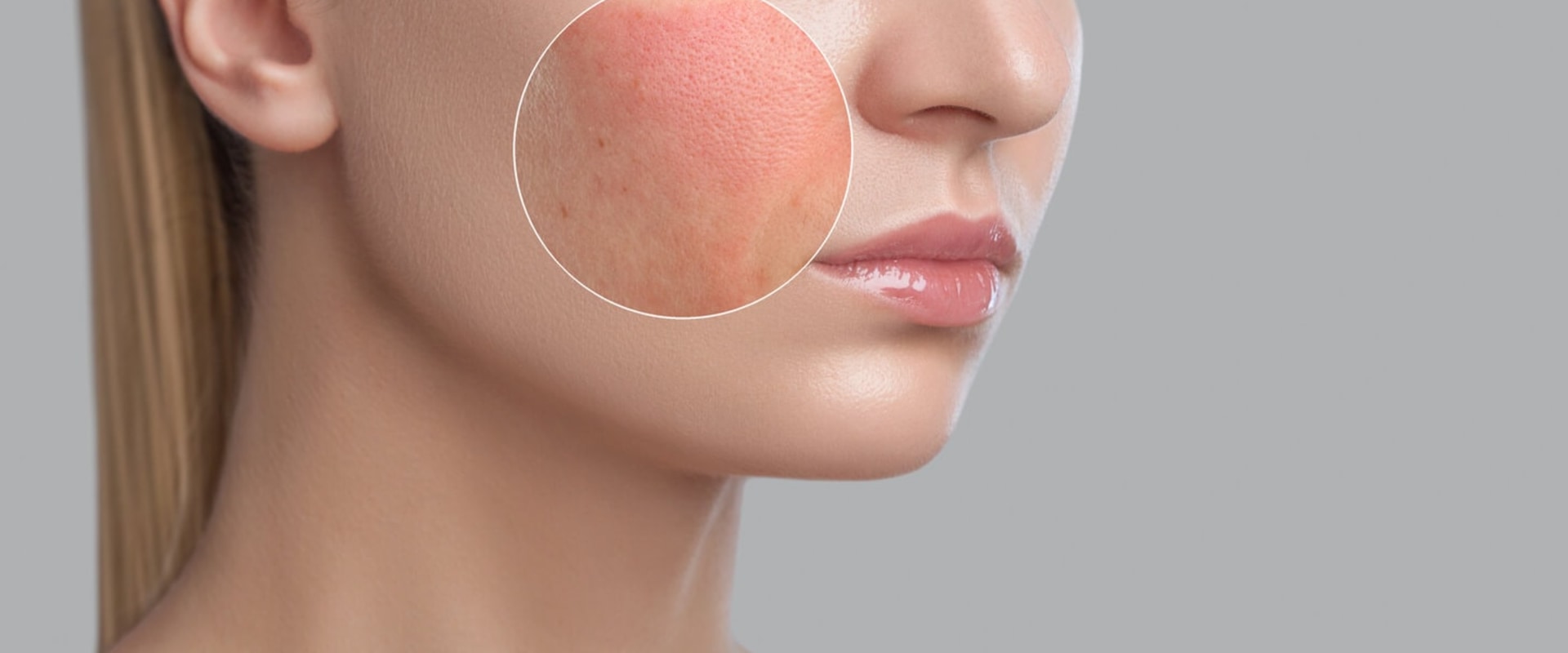
After indulging in a facial treatment, many individuals find themselves eagerly anticipating the results. However, what often goes unnoticed are the immediate reactions after a facial treatment. Understanding these reactions is essential for managing expectations and ensuring a positive experience. Whether you're a skincare enthusiast or a newcomer to facial treatments, knowing what to expect right after your session can significantly enhance your overall satisfaction. Facial treatments are designed to rejuvenate and refresh the skin, but they can also trigger a variety of immediate responses.
From slight redness to a feeling of tightness, these reactions are often perfectly normal and indicate that your skin is responding to the treatment. By familiarizing yourself with these potential outcomes, you can approach your post-treatment care with confidence and clarity. This article delves into the different types of immediate reactions you might experience following a facial treatment. We’ll explore the causes behind these reactions and provide tips on how to soothe your skin and maintain that post-treatment glow. So, whether you're preparing for your first facial or are a seasoned pro, join us as we unravel the fascinating world of From slight redness to a feeling of tightness, these reactions are often perfectly normal and indicate that your skin is responding to the treatment. By familiarizing yourself with these potential outcomes, you can approach your post-treatment care with confidence and clarity. This article delves into the different types of immediate reactions you might experience following a facial treatment. We’ll explore the causes behind these reactions and provide tips on how to soothe your skin and maintain that post-treatment glow. So, whether you're preparing for your first facial or are a seasoned pro, join us as we unravel the fascinating world of immediate reactions after a facial treatment and equip you with the knowledge to navigate your skincare journey with ease. Understanding the immediate reactions after a facial treatment is crucial for anyone considering these popular skincare procedures.
Facial treatments vary widely, and each type can elicit different responses from the skin. This variability underscores the importance of knowing what to expect, as it can greatly enhance the overall experience and help individuals make informed decisions regarding their skincare. Medspas offer a range of facial treatments designed to address various skin concerns. Among the most popular are anti-aging facials, which typically involve ingredients and techniques aimed at reducing the appearance of fine lines and wrinkles. These facials often utilize powerful antioxidants, exfoliation methods, and hydrating masks.
After an anti-aging facial, clients may experience some immediate reactions such as redness or tingling. This is generally due to the active ingredients used, which stimulate blood circulation and promote cellular turnover. For instance, a facial that incorporates glycolic acid might cause a slight tingling sensation as it exfoliates the outer layer of dead skin cells. Another common type of facial treatment is the acne treatment. These facials are specifically tailored to address acne-prone skin by utilizing deep cleansing techniques and products with salicylic acid or benzoyl peroxide.
Following an acne facial, it is not uncommon for clients to notice some dryness or slight peeling. This reaction occurs as the treatment works to unclog pores and reduce inflammation. An example of this is a facial that includes extractions; while effective in clearing blemishes, extractions can lead to temporary redness and swelling around the treated areas.
Hydrating facials
, on the other hand, focus on replenishing moisture to dry or dehydrated skin. These treatments often involve the application of serums rich in hyaluronic acid or other hydrating agents.After a hydrating facial, clients typically feel a sense of relief from dryness, but they might also experience some immediate reactions like sensitivity or a brief flushing of the skin due to increased blood flow from hydration. It’s essential to note that while many individuals enjoy immediate hydration benefits, those with sensitive skin types may have varying reactions depending on their unique skin sensitivities. The role of skin type cannot be overstated when discussing immediate reactions after a facial treatment. Individuals with oily or acne-prone skin may respond differently than those with dry or sensitive skin. For example, someone with oily skin might experience less redness after an acne treatment but may still feel tightness if the products used were particularly drying.
Conversely, someone with sensitive skin could find that even gentle products provoke irritation or discomfort. Expert opinions can provide valuable insight into these reactions. Many estheticians emphasize that understanding individual skin types and conditions can help tailor treatments effectively, minimizing adverse reactions while maximizing benefits. Testimonials from clients often reflect this sentiment; many express relief in being educated about what to expect during and after their treatment. A client who underwent an anti-aging facial remarked, "I was surprised by how red my face looked immediately after, but my esthetician assured me that it was normal and would subside quickly—and she was right!" This kind of feedback highlights the importance of communication between clients and skincare professionals. In conclusion, immediate reactions following a facial treatment can vary significantly based on the type of facial received and individual skin characteristics.
By understanding these potential reactions—such as redness, tingling, or dryness—clients can better prepare for their post-treatment experience. This knowledge not only alleviates anxiety but also empowers individuals to choose treatments that align with their skincare goals. Ultimately, being informed is key to enhancing one’s overall satisfaction with facial treatments.
Common Immediate Reactions
After undergoing a facial treatment, it is essential to recognize that the skin may exhibit certain immediate reactions. These reactions can vary widely depending on the type of treatment received.For instance, redness is a common reaction, particularly after treatments like microdermabrasion or chemical peels. This redness occurs as the skin responds to stimulation and can last anywhere from a few minutes to several hours. Another frequent reaction is swelling, which may occur in response to more invasive procedures or those that involve intense exfoliation. Like redness, swelling is typically temporary and can subside within a few hours to a day. In addition to these reactions, some individuals may experience a sensation of tightness or mild discomfort. This is usually due to the application of products that are designed to penetrate deeply into the skin or the physical manipulation during the treatment itself.
Such sensations often diminish shortly after the treatment concludes. For most patients, these immediate reactions are normal and indicate that the skin is responding to the treatment. However, if any reaction persists beyond a day or is accompanied by severe discomfort, it is advisable to consult with a skincare professional for further guidance.
Consultation Importance
Consultation is a crucial step before embarking on any facial treatment. Engaging with a skincare professional provides an opportunity to discuss your specific skin type, concerns, and goals. Each individual’s skin is unique, and what works for one person may not be suitable for another. During the consultation, professionals can evaluate your skin's condition and recommend the most appropriate treatments tailored to your needs.This ensures that you are not only choosing a facial treatment that aligns with your skincare objectives but also one that minimizes the risk of adverse reactions. Moreover, understanding your skin type can help you avoid potential irritants or allergens present in certain products used during facials. A knowledgeable expert can guide you through the various options available, explaining the benefits and expected results of each treatment. By prioritizing a thorough consultation, you can enhance your overall experience and satisfaction with the facial treatment process. Informed decisions lead to better outcomes, and being aware of what suits your skin will ultimately improve your skincare regimen.
Aftercare Tips
After receiving a facial treatment, it is essential to follow some aftercare tips to ensure your skin heals properly and to minimize any adverse reactions. Here are some recommendations:First and foremost, avoid touching your face immediately after the treatment.This helps prevent the transfer of bacteria and oils from your hands, which can lead to breakouts or irritation. Next, be gentle with your skin. Use a mild, hydrating cleanser to wash your face, and avoid harsh scrubs or exfoliants for at least a few days following your treatment. This will help maintain the benefits of the facial while preventing irritation. It’s also important to keep your skin moisturized. Apply a soothing, fragrance-free moisturizer to help lock in hydration and support the skin's natural barrier.
This can be particularly beneficial if you experience dryness or tightness post-treatment. Additionally, protect your skin from the sun. Post-treatment skin can be more sensitive, making it crucial to apply a broad-spectrum sunscreen with at least SPF 30 whenever you go outdoors. This will help prevent pigmentation issues and further irritation. Lastly, if you experience any redness or swelling, consider using a cold compress or soothing gel to alleviate discomfort. Ingredients like aloe vera or chamomile can be particularly calming for irritated skin. By following these aftercare tips, you can enhance the results of your facial treatment and enjoy your refreshed complexion for longer.
Facial Treatment Types
When considering facial treatments at medspas, it is essential to recognize that each type offers distinct benefits and may elicit various immediate reactions.Understanding these differences can help clients prepare for their experience and manage their expectations effectively.
Classic Facials
are designed to cleanse, exfoliate, and hydrate the skin. Immediate reactions may include mild redness or sensitivity due to the exfoliation process, but these symptoms typically subside quickly, leaving the skin feeling refreshed and rejuvenated.Chemical Peels
involve applying a solution to remove dead skin cells and promote cell turnover. While they can result in peeling and redness, especially in the first few days post-treatment, many clients appreciate the renewed glow and improved texture that follows.Microdermabrasion
is a non-invasive procedure that exfoliates the outer layer of dead skin. Clients often experience slight redness and a sensation similar to a sunburn immediately after treatment; however, this usually fades within a few hours, revealing smoother skin.Hydrafacials
provide deep hydration through a multi-step process that cleanses, exfoliates, and infuses moisture into the skin.This treatment typically results in minimal immediate reactions, with most clients enjoying a dewy glow right after their session.
LED Light Therapy
is another option that uses specific wavelengths of light to target various skin concerns. Clients may feel warmth during the treatment, but immediate reactions are generally minimal, making it suitable for those with sensitive skin. Each of these facial treatments carries its own set of advantages and potential immediate reactions. By being informed about what to expect, individuals can make better decisions regarding their skincare and feel more confident in their choices. In conclusion, understanding immediate reactions after a facial treatment is crucial for anyone seeking to enhance their skincare experience. As we discussed, these reactions can greatly differ depending on the type of facial received, whether it be a hydrating, exfoliating, or rejuvenating treatment.Being aware of these potential reactions not only prepares you for what to expect but also helps in managing any concerns that may arise. Moreover, we highlighted the importance of proper aftercare following a facial treatment. Following recommended aftercare tips can significantly impact your results and skin health in the long run. Consulting with your skincare professional before and after your treatment will ensure that you are well-informed and equipped to make the best choices for your skin. As you prepare for your next visit to a medspa, remember that knowledge is power. Approach your appointment with confidence, knowing that you are informed about what to expect and can actively participate in your skincare journey.