In the ever-evolving world of skincare, medspa facial treatmentsmedspa facial treatments offer a promising avenue for rejuvenation and self-care. However, with so many options available, how can one truly know if the treatment was successful? Understanding the intricacies of assessing treatment resultsassessing treatment results is crucial for anyone considering these procedures. This journey begins long before you step into the medspa; it starts with choosing the right facial tailored to your unique skin type and needs. As you navigate through the myriad of treatments available, it's essential to equip yourself with knowledge on what to expect and how to evaluate the outcomes effectively. From the type of products used to the techniques employed by skilled professionals, every aspect plays a vital role in achieving your desired results.
In this article, we will delve into the essential factors that contribute to assessing the results of your medspa facial treatments. Join us as we explore the key indicators of success, tips for maintaining your skin post-treatment, and how to engage in meaningful conversations with your skincare professional during consultations. By empowering yourself with this knowledge, you'll be better prepared to make informed decisions that enhance your beauty journey. Assessing the results of facial treatments at medspas is a vital part of the skincare journey. With the increasing popularity of medspa facials, individuals are eager to understand not only what these treatments can offer but also how to evaluate their effectiveness. When considering In this article, we will delve into the essential factors that contribute to assessing the results of your medspa facial treatments. Join us as we explore the key indicators of success, tips for maintaining your skin post-treatment, and how to engage in meaningful conversations with your skincare professional during consultations. By empowering yourself with this knowledge, you'll be better prepared to make informed decisions that enhance your beauty journey. Assessing the results of facial treatments at medspas is a vital part of the skincare journey. With the increasing popularity of medspa facials, individuals are eager to understand not only what these treatments can offer but also how to evaluate their effectiveness. When considering how to assess treatment results, it is essential to take into account several factors that contribute to the overall evaluation process. One of the primary factors in assessing treatment results is understanding the immediate effects of the treatment.
Many facial procedures, such as hydrafacials or chemical peels, can yield noticeable improvements shortly after the session. These immediate effects might include increased hydration, a more radiant complexion, or reduced redness. However, it is crucial to recognize that while these immediate changes can be encouraging, they do not always indicate long-term success. In addition to immediate effects, long-term benefits must also be considered. For instance, anti-aging facials that incorporate ingredients like hyaluronic acid or retinoids may take weeks or even months to show their full impact on skin texture and elasticity.
Therefore, patience and consistent monitoring are essential for evaluating such treatments effectively. Another critical aspect of assessment is taking individual skin type into account. Different skin types—whether oily, dry, combination, or sensitive—will react differently to various treatments. For example, someone with acne-prone skin might see significant improvements from a targeted acne treatment that utilizes salicylic acid, while someone with dry skin may benefit more from a hydrating facial. Understanding your own skin type and its specific needs will help in choosing the right treatment and assessing its results accurately. After undergoing treatment, recognizing signs of improvement or potential adverse reactions is crucial for assessment.
Signs of improvement may include a smoother texture, reduced blemishes, or a more even skin tone. Conversely, some individuals may experience side effects such as redness, peeling, or swelling—particularly after more intensive treatments like microneedling or laser therapy. It's important to differentiate between normal post-treatment reactions and signs that may indicate an adverse effect. When evaluating treatment results, establishing benchmarks can help guide your assessment. For example, if you underwent an anti-aging facial aimed at reducing fine lines, you might set a benchmark of noticing fewer lines within four to six weeks post-treatment.
Documenting these changes through before-and-after photos can be incredibly valuable; visual evidence can provide clarity on progress over time. Moreover, regular consultations with skincare professionals can enhance your understanding of treatment outcomes. These experts can provide insights into what results to expect based on your specific treatment plan and individual skin characteristics. They can also help address common misconceptions—for instance, the idea that all facials deliver instant results without any downtime. Different treatments serve different purposes; for instance, an anti-aging facial may focus on rejuvenation and elasticity restoration, while an acne treatment targets breakout reduction and overall clarity. Individuals often choose one treatment over another based on their unique skin concerns and desired outcomes.
It is essential to weigh these factors carefully when deciding which route to take. In summary, assessing the results of medspa facial treatments requires a multifaceted approach that considers immediate effects, long-term benefits, individual skin types, and potential side effects. By recognizing signs of improvement or reactions post-treatment and utilizing benchmarks for evaluation, individuals can better understand their skincare journey. Documenting progress through photos and maintaining open communication with skincare professionals will further support this assessment process and empower individuals to make informed decisions about their facial treatments.
Evaluating Treatment Outcomes
Assessing the effectiveness of a facial treatment is crucial for understanding its benefits and determining if it meets your skincare goals. One of the primary ways to evaluate treatment outcomes is by observing visible changes in your skin.After a medspa facial, take note of how your skin looks and feels. Are there improvements in texture, tone, and hydration? Look for reductions in redness, breakouts, or other concerns that prompted you to seek treatment. Additionally, feedback from skincare professionals can provide valuable insights into your treatment results. After your facial, your esthetician or dermatologist can guide you on what changes to expect and how long they may take to manifest. They can also recommend follow-up treatments or products that can enhance results based on their professional assessment. Lastly, it’s essential to consider your personal feelings about skin health.
Reflect on how you feel about your skin post-treatment. Do you feel more confident? Is your skin easier to manage? Your subjective experience plays a critical role in evaluating the success of any facial treatment. Combining visible changes with professional feedback and personal reflections will give you a comprehensive view of your treatment outcomes.
What to Expect During Your Facial Treatment
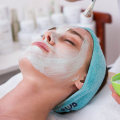
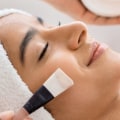
When you schedule a facial treatment at a medspa, it’s essential to understand what to expect throughout the process. The experience typically begins with a thorough consultation where a skincare professional will assess your skin type, concerns, and goals.This step is crucial as it helps tailor the treatment to your specific needs. Once the consultation is complete, the procedure will commence. The first step often involves cleansing your skin to remove any makeup, dirt, or impurities. This prepares your face for the treatment and ensures that the products used can penetrate effectively. Next, the aesthetician may perform an exfoliation process, which can include mechanical or chemical methods to slough away dead skin cells and promote cell turnover. Following this, extractions may be conducted if necessary to clear clogged pores. After addressing surface issues, various treatments may be applied, such as masks, serums, or peels that are suited for your skin type and concerns.
These products are designed to hydrate, brighten, or treat specific conditions like acne or hyperpigmentation. Finally, the facial concludes with aftercare recommendations. Your aesthetician will provide guidance on how to maintain results post-treatment, including suggestions for at-home skincare routines and any precautions to take to ensure optimal healing and effectiveness of the treatment. By understanding these steps, clients can better assess their treatment results and ensure they are getting the most out of their facial experience at a medspa.
Choosing the Right Facial for Your Skin Type
When it comes to selecting the right facial treatment at a medspa, understanding your skin type and specific concerns is crucial. Each person's skin is unique, and what works for one individual may not be effective for another. Therefore, it's essential to consider factors such as oiliness, dryness, sensitivity, and any underlying skin conditions. For those with oily skin, facials that incorporate deep cleansing and exfoliation are beneficial.Treatments that include clay masks or salicylic acid can help remove excess oil and prevent breakouts. Conversely, individuals with dull or dry skin may benefit from hydrating facials that utilize ingredients like hyaluronic acid and nourishing oils to restore moisture and radiance. If you have sensitive skin, it’s important to choose facials that are gentle and soothing. Look for treatments featuring calming ingredients such as aloe vera or chamomile to avoid irritation. Meanwhile, those dealing with acne-prone skin should opt for facials designed to target blemishes while promoting healing, often incorporating anti-inflammatory components. For individuals with aging skin, consider facials that focus on lifting and firming.
Treatments that utilize peptides or antioxidants can help rejuvenate the skin's appearance and reduce fine lines. Ultimately, knowing your skin type and concerns will empower you to make informed decisions about your facial treatments, ensuring they align with your personal skincare goals.
Understanding Different Facial Treatments
At medspas, there is a diverse array of facial treatments designed to address various skin concerns. Understanding these options is crucial for selecting the right treatment for your individual needs. Each type of facial offers unique benefits, targeting specific issues such as aging, hydration, or acne.Classic Facials
are often the starting point for many clients.They typically include cleansing, exfoliation, and hydration, making them ideal for maintaining overall skin health. This type of facial can help remove dead skin cells and unclog pores, promoting a brighter complexion. For those with specific skin issues, Acne Facials focus on deep cleansing and extractions to reduce breakouts. These treatments often incorporate specialized products that target acne-causing bacteria and excess oil, helping to prevent future flare-ups. If you’re concerned about signs of aging, Anti-Aging Facials utilize advanced techniques such as chemical peels or microdermabrasion. These treatments aim to stimulate collagen production and improve skin texture, resulting in a more youthful appearance.
Hydrating Facials
are perfect for individuals with dry or dehydrated skin.They typically use nourishing masks and serums to replenish moisture levels and soothe irritation, leaving the skin feeling soft and revitalized. For those seeking a brighter complexion, Brightening Facials often contain ingredients such as vitamin C or other antioxidants. These facials help to even out skin tone and diminish pigmentation, providing a radiant glow. Finally, Customized Facials allow skincare professionals to tailor treatments based on your unique skin type and concerns. This personalized approach ensures that you receive the most effective care possible. By understanding the different types of facials available at medspas and their specific benefits, you can make informed decisions about which treatment is best suited for your skin's needs. In conclusion, assessing treatment results after receiving facial treatments at medspas is crucial for understanding the effectiveness of the procedures you choose. As we've discussed, the popularity of medspa facials continues to rise due to their ability to cater to various skin concerns.
It is essential for individuals to have realistic expectations and a clear understanding of what each treatment can achieve. By evaluating treatment outcomes, you empower yourself to make informed decisions about your skincare journey. Furthermore, maintaining an open line of communication with your skincare professionals is vital. They can provide ongoing evaluations and tailored recommendations that align with your skin's unique needs and responses to treatments. Remember, successful skincare is a collaborative effort, and staying engaged with your provider will enhance your experience and results.