Are you curious about what happens during a facial treatment? You’re not alone! Many people seek to indulge in the rejuvenating experience of a facial, but few truly understand the meticulous process involved. In this article, we provide a Step-by-Step Breakdown of a Typical Facial Session, demystifying each stage of the treatment. From the initial consultation to the final touches that leave your skin glowing, we’ll guide you through every aspect of this luxurious experience. A facial is not just a treat for the skin; it’s a holistic journey that can enhance your overall well-being. Whether you are a first-timer or a seasoned spa-goer, knowing what to expect can help alleviate any apprehensions and elevate your experience to new heights.
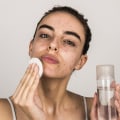
Our detailed breakdown will empower you with knowledge, allowing you to fully immerse yourself in the treatment and enjoy every moment. Join us as we explore the intricate steps involved in a typical facial session, ensuring you leave with not only radiant skin but also a deeper understanding of this beloved beauty ritual. Let’s dive into the world of facials and discover how each stage contributes to your skin’s health and your relaxation!A typical facial session is a comprehensive treatment designed to cleanse, exfoliate, and nourish the skin, promoting a healthy and radiant complexion. The process usually begins with a consultation, where the esthetician assesses the client’s skin type, concerns, and goals. This step is crucial as it sets the stage for a personalized treatment plan tailored to individual needs. Following the consultation, the facial process continues with cleansing, which removes makeup, dirt, and impurities from the skin's surface.
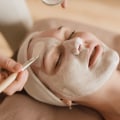
This is typically followed by exfoliation, a key step that sloughs off dead skin cells and promotes cell turnover, revealing fresher skin underneath. Depending on the client’s needs, extraction may occur at this stage, where an esthetician carefully removes blackheads or whiteheads to clear clogged pores. It’s important to note that not everyone requires extractions, particularly those with sensitive skin. Next in the process is the application of a mask, which is selected based on specific skin concerns. Masks can be hydrating, purifying, or soothing, among other benefits.
After allowing the mask to work its magic, a moisturizing step concludes the treatment, replenishing hydration and sealing in nutrients. The benefits of facials can vary widely depending on the type chosen. For instance, hydrating facials are ideal for individuals with dry or dehydrated skin, featuring ingredients like hyaluronic acid and glycerin that attract moisture. On the other hand, anti-aging treatments often include potent antioxidants such as vitamin C or retinol to combat signs of aging and promote youthful skin. For those struggling with acne, acne-fighting facials typically incorporate salicylic acid or tea tree oil to reduce inflammation and prevent breakouts. Common ingredients used in facials are selected based on their benefits for specific skin types.
For example, individuals with oily skin may benefit from clay masks that absorb excess oil and impurities, while those with sensitive skin might prefer soothing agents like aloe vera or chamomile. Estheticians often customize treatments based on these factors to ensure optimal results. Testimonials from clients highlight the positive experiences often associated with facials. A satisfied client might say, "After my first facial, my skin felt incredibly refreshed and looked brighter than ever!" An esthetician might add, "Each facial is an opportunity to not just treat the skin but also educate clients about their specific needs and how to maintain results at home." Such feedback underscores the transformative impact of professional facial treatments. Despite their many benefits, some individuals may have concerns or misconceptions about facials. One common worry is regarding pain; however, most facials are designed to be relaxing rather than uncomfortable.
Some mild sensations may occur during extractions, but they are generally temporary. Potential side effects are also minimal when performed by trained professionals; clients may experience slight redness post-treatment but nothing significant. Choosing the right facial is crucial for achieving desired outcomes. Individuals should consider their unique skin type and specific concerns when selecting a treatment. Consulting with a professional esthetician is advisable; they can provide insights into which facial will best suit individual needs based on a thorough assessment of one’s skin condition. In conclusion, understanding the typical facial process and recognizing the different types available can empower clients to make informed decisions regarding their skincare journeys.
By setting realistic expectations and choosing treatments tailored to their unique concerns, clients can fully enjoy the benefits of facials and enhance their overall skincare regimen.
Understanding Different Types of Facials
At medspas, a variety of facials are offered to cater to the diverse needs of clients. Understanding these different types can help individuals choose the most suitable treatment for their skin care goals. Below are some common types of facials you may encounter:At medspas, a variety of facials are offered to cater to the diverse needs of clients. Understanding these different types can help individuals choose the most suitable treatment for their skin care goals. Below are some common types of facials you may encounter:Hydrating Facials are designed to replenish moisture in the skin, making them ideal for individuals with dry or dehydrated skin. These facials often incorporate hydrating masks and serums that leave the skin feeling soft and plump.Exfoliating Facials
focus on removing dead skin cells to reveal a brighter complexion.These facials typically include techniques such as microdermabrasion or chemical peels, which help improve skin texture and promote cell turnover.Anti-Aging FacialsAnti-Aging Facials target signs of aging, such as fine lines and wrinkles. They often use ingredients like retinol, peptides, and antioxidants to stimulate collagen production and enhance skin elasticity.Acne FacialsAcne Facials are specially formulated for those struggling with breakouts. These facials usually involve deep cleansing, extractions, and the application of products designed to combat acne-causing bacteria and reduce inflammation.
Relaxation Facials
prioritize soothing and pampering, often featuring gentle massage techniques and calming aromatherapy. These facials help reduce stress and promote overall well-being while providing basic skin care benefits. By understanding the various types of facials available at medspas, clients can make informed decisions about their treatments, ensuring they select options that align with their specific skin care needs and expectations.Choosing the Right Facial for Your Skin Type
When it comes to selecting the right facial treatment, it is crucial to consider your specific skin type and any particular concerns you may have.Each facial is designed to address unique issues, and understanding these can greatly enhance your experience.
Oily skin
often benefits from facials that include deep cleansing and exfoliation. Look for treatments that utilize clay masks or products with salicylic acid to help control excess oil and reduce breakouts. If you have dry or sensitive skin, opt for facials that focus on hydration and soothing ingredients. Treatments featuring hyaluronic acid, aloe vera, or calming botanicals are excellent choices to restore moisture and alleviate irritation. For individuals dealing with acne-prone skin, facials designed to target acne can be highly effective. These often include extractions, anti-inflammatory ingredients, and specialized masks that help clear pores and reduce inflammation. If you're looking for anti-aging benefits, consider facials that incorporate ingredients like peptides or antioxidants.These treatments can help improve skin elasticity, diminish fine lines, and promote a youthful glow. Lastly, if your goal is simply relaxation, many facials offer a pampering experience with soothing massages and aromatic oils. These treatments may not focus as much on specific skin concerns but can provide an overall sense of well-being. In summary, understanding your skin type and concerns is key when choosing a facial. A professional esthetician can also provide personalized recommendations based on a thorough skin analysis, ensuring you receive the most appropriate treatment for your needs.
The Facial Process: What to Expect
Undergoing a facial session can be a rejuvenating experience, but understanding the facial process is essential for first-time clients. Each step is designed to cater to individual skin needs and provide a comprehensive treatment.Here’s a breakdown of what you can expect during a typical facial session.
1.Consultation
: The session usually begins with a consultation, where the esthetician discusses your skin type, concerns, and goals. This step is crucial as it helps tailor the facial to your specific needs.2.Cleansing
: After the consultation, your esthetician will cleanse your skin to remove makeup, dirt, and excess oils. This ensures that the subsequent treatments can penetrate effectively.3.Exfoliation
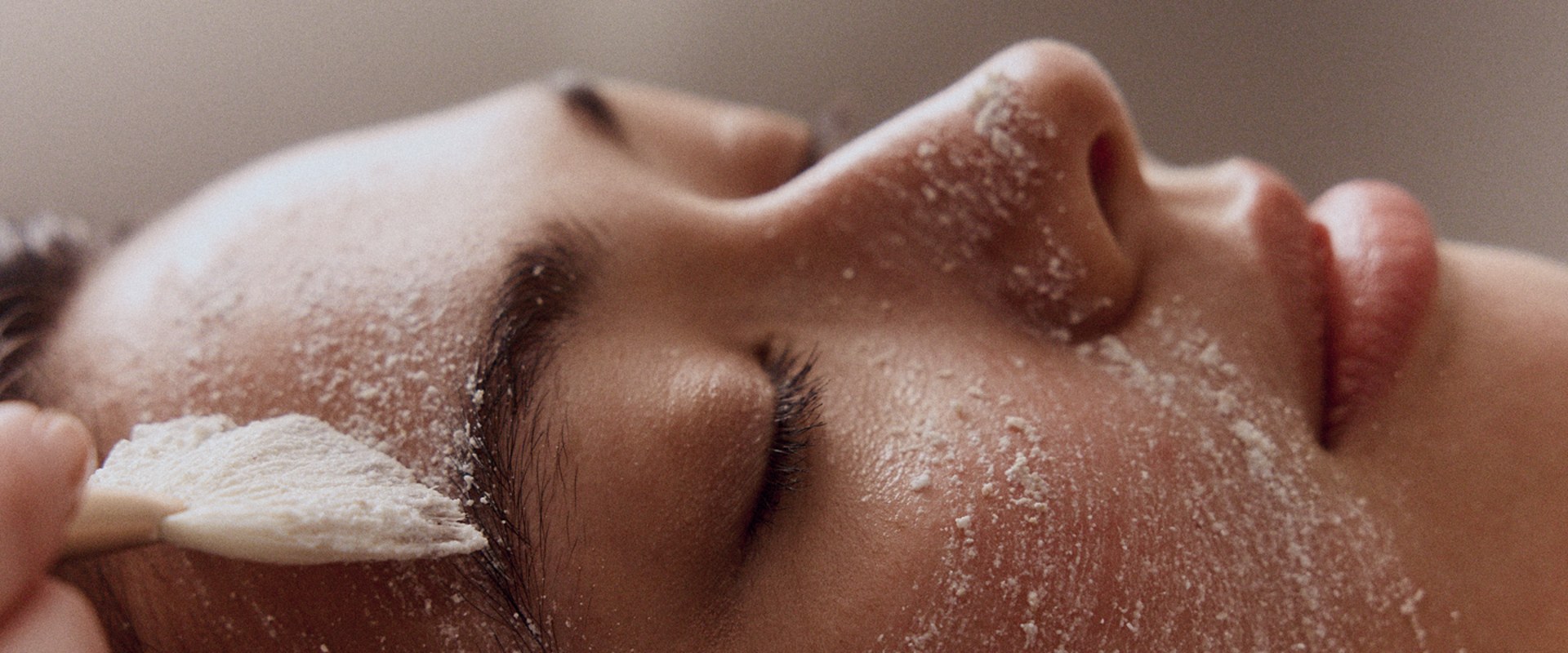
: Next, exfoliation is performed to slough off dead skin cells. This can be done using physical scrubs or chemical exfoliants, depending on your skin type and the type of facial chosen.4.Extraction
: If necessary, extractions may be performed to clear clogged pores and remove blackheads.This step is often considered one of the most important for acne-prone skin.
5.Mask Application
: Following extractions, a customized mask is applied to address specific skin concerns. Masks can hydrate, calm inflammation, or brighten the complexion, depending on the selected products.6.Massage
: Many facials include a relaxing massage of the face, neck, and shoulders. This not only enhances relaxation but also promotes circulation, contributing to healthier-looking skin.7.Moisturizing
: Finally, a moisturizer suitable for your skin type is applied to lock in hydration and protect your skin barrier. This step is essential in ensuring that your skin feels nourished and revitalized. Understanding these steps can help alleviate any anxiety about what to expect during your facial session.Each part of the process is designed with care and precision to ensure that clients leave feeling refreshed and confident in their skin. In summary, a Step-by-Step Breakdown of a Typical Facial Session has provided valuable insights into the different aspects of facial treatments. Understanding the various types of facials available is crucial for achieving the desired results, whether it be for rejuvenation, acne treatment, or simply relaxation. We have emphasized the importance of knowing what to expect during the facial process and how to choose the right treatment based on your individual skin type. As you consider your options, remember that every skin is unique, and seeking professional advice tailored to your specific needs can make all the difference in your skincare journey. We encourage you to research local medspas and schedule personalized consultations to discover the best facial treatments suited for you.