Are you tired of battling breakouts and searching for solutions that seem to fall short? Facials for Acne-Prone SkinFacials for Acne-Prone SkinFacials for Acne-Prone Skin can be a game changer in your skincare routine. With the right treatments tailored specifically for your skin type, you can achieve clearer, healthier skin without the frustration of trial and error. In this article, we will explore the most effective facials designed to manage acne-prone skin, delving into the ingredients and techniques that make them successful. Whether you're dealing with occasional blemishes or persistent acne, understanding how to care for your skin is essential. Imagine stepping into a serene medspa environment, where expert aestheticians use their skills to address your unique skin concerns. From deep cleansing and exfoliation to soothing masks and specialized treatments, these facials are not just pampering sessions; they are an essential part of a comprehensive skincare strategy.
We will guide you through various options, helping you discover which facial might be best suited to tackle your specific issues. Join us as we uncover the secrets behind these transformative treatments and empower you to take control of your skincare journey. Say goodbye to frustration and hello to confidence as we reveal how effective facials can help you manage acne-prone skin effectively. Individuals with acne-prone skin often face a multitude of challenges, ranging from persistent breakouts to scarring and skin sensitivity. These issues can significantly affect one’s self-esteem and quality of life. While daily skincare routines are essential, many find that professional treatments at medspas offer a more targeted approach to managing their skin conditions.
Facials for acne-prone skin have gained popularity as effective solutions for improving both skin health and appearance. There are several types of facials specifically designed for those struggling with acne, each catering to different needs and skin types. One of the most common is the deep cleansing facial. This type of facial focuses on thoroughly cleansing the skin, removing excess oil, dead skin cells, and impurities from the pores.
By doing so, it helps prevent future breakouts and promotes a clearer complexion. Many clients report noticeable improvements in their skin texture and a reduction in the frequency of breakouts after undergoing this treatment. Another popular option is the chemical peel. Chemical peels utilize various acids to exfoliate the skin on a deeper level than a typical facial can achieve. Ingredients like salicylic acid and glycolic acid are often used in these peels due to their ability to penetrate the pores and dissolve the debris that causes acne.
These peels not only reduce active breakouts but also promote cell turnover, helping to fade acne scars and improve overall skin tone. Clients who have undergone chemical peels frequently share success stories about their transformed skin after a series of treatments.
Hydrating treatments
are also beneficial for acne-prone individuals, as they provide essential moisture without clogging pores. Contrary to common misconceptions, hydration is crucial for maintaining healthy skin; dehydrated skin can lead to increased oil production and, consequently, more breakouts. These facials typically include ingredients like hyaluronic acid, which helps to retain moisture and soothe inflammation while also assisting in healing existing blemishes. The effectiveness of these facials is largely attributed to the active ingredients used in their formulations.For instance, salicylic acid is known for its ability to penetrate oily skin and clear out clogged pores, making it an excellent choice for treating acne.
Glycolic acid
, on the other hand, aids in exfoliating dead skin cells on the surface, promoting a brighter complexion. Other beneficial ingredients may include tea tree oil for its antibacterial properties, as well as soothing agents like chamomile or aloe vera to calm inflamed skin. Despite the numerous benefits of facials for acne-prone skin, there are still some concerns and misconceptions that need addressing. Many people believe that facials can worsen their acne or lead to more breakouts.However, when performed by trained professionals using appropriate products for your specific skin type, facials can effectively reduce acne flare-ups and promote healing. Research supports that regular professional treatments can lead to significant improvements in acne severity. Clients can expect a thorough consultation process before receiving any facial treatment. During this initial assessment, a skincare professional will evaluate the client’s unique skin type, history of acne issues, and current skincare routine. This assessment ensures that the chosen facial is tailored specifically to meet individual needs, maximizing effectiveness. Aftercare is another critical component following any facial treatment.
Professionals typically recommend avoiding heavy makeup for at least 24 hours post-treatment and suggest using gentle skincare products to maintain results. It’s also beneficial to keep the skin hydrated and protected from excessive sun exposure during the healing process. In conclusion, facials for acne-prone skin provide an array of options that cater to diverse skincare needs. From deep cleansing facials to chemical peels and hydrating treatments, each has its unique benefits that target acne while promoting healing. With proper consultation and aftercare, individuals can enjoy clearer skin and improved self-confidence through these professional treatments.
Choosing the Right Medspa
When it comes to finding the right medspa for facials for acne-prone skin, it’s crucial to do your research.A reputable medspa can make a significant difference in the effectiveness of your treatment and overall experience. Start by looking for facilities that are accredited and have licensed professionals. Credentials such as a dermatologist or licensed esthetician on staff can provide reassurance of quality care. Next, consider the medspa’s specialization. Not all medspas offer services tailored specifically for acne-prone skin.
Look for those that have a strong focus on skin care treatments and have a proven track record in managing acne issues. You might want to check online reviews and testimonials from previous clients to gauge their satisfaction and results. It’s also wise to ask questions during your consultation. Inquire about the types of facials they offer, the ingredients used in their products, and what specific treatments they recommend for your skin type. Additionally, don’t hesitate to ask about the experience and training of the staff who will be administering your facial. Lastly, consider the overall atmosphere of the medspa.
A clean, welcoming environment is essential for a positive experience. Pay attention to how the staff interacts with you; a friendly and informative approach can greatly enhance your comfort level. By taking these steps, you can confidently choose a medspa that aligns with your needs and helps you achieve clearer, healthier skin.
Understanding Acne-Prone Skin
Acne-prone skin is a common condition that affects individuals of all ages, particularly teenagers and young adults. The primary causes of acne include excess oil production, clogged pores, bacteria, and inflammation. Understanding these factors is crucial for selecting the right facial treatments that can effectively address the underlying issues. One of the leading causes of acne is excess oil production by sebaceous glands.When these glands become overactive, they produce more oil than the skin needs, leading to clogged pores. Facials that incorporate deep cleansing techniques can help remove excess oil and prevent breakouts.
Clogged pores
occur when dead skin cells accumulate on the skin's surface and mix with sebum, creating an environment conducive to acne development. Exfoliating facials, which utilize ingredients like salicylic acid or alpha hydroxy acids (AHAs), can help slough off dead skin cells and keep pores clear. The presence of bacteria, particularly Propionibacterium acnes, plays a significant role in acne formation. This bacteria thrives in clogged pores and contributes to inflammation.Facials that include antibacterial ingredients, such as tea tree oil or benzoyl peroxide, can help reduce bacterial growth and lower the risk of acne flare-ups.
Inflammation
is another critical aspect of acne-prone skin. The body's immune response to bacteria and clogged pores often leads to redness and swelling. Treatments that incorporate soothing ingredients, like aloe vera or chamomile, can calm inflammation and promote healing. In summary, understanding the causes of acne is essential for choosing effective facial treatments at medspas. By targeting excess oil, clogged pores, bacteria, and inflammation, professional facials can significantly improve the health and appearance of acne-prone skin.Types of Facials for Acne Treatment
When it comes to treating acne-prone skin, medspas offer a variety of facial treatments tailored to address specific concerns and promote healthier skin.Here are some popular options:Deep Cleansing Facial: This type of facial focuses on thoroughly cleansing the skin to remove excess oil, dirt, and impurities. It often includes steam, exfoliation, and extractions to unclog pores, which can help reduce breakouts and prevent future acne flare-ups.
Hydrating Facial
: For individuals with acne-prone skin that may also be dehydrated, a hydrating facial can be beneficial. This treatment often incorporates hyaluronic acid and soothing ingredients that help restore moisture balance while calming inflammation associated with acne.Chemical Peel Facial
: Utilizing chemical exfoliants like alpha-hydroxy acids (AHAs) or beta-hydroxy acids (BHAs), this facial helps to remove dead skin cells and unclog pores. The result is smoother skin texture and reduced acne lesions.It’s essential to consult with a skincare professional to determine the right strength and type for your skin type.
LED Light Therapy Facial
: This innovative facial treatment uses different wavelengths of light to target acne-causing bacteria and reduce inflammation. Blue light is particularly effective in killing acne bacteria, while red light can promote healing and reduce redness.Microdermabrasion Facial
: This non-invasive treatment involves gently exfoliating the top layer of skin using fine crystals. It helps improve skin texture, reduce the appearance of scars, and promote the growth of new, healthy skin cells, making it a great option for those dealing with post-acne marks.Customized Acne Facial
: Many medspas offer personalized facials that combine various techniques tailored specifically to an individual's skin type and concerns. A skincare professional will assess your skin and create a unique treatment plan that may include extraction, masks, serums, and more. Each of these facials provides unique benefits for managing acne-prone skin.Consulting with a skincare expert at a medspa can help you determine the best facial treatment for your specific needs.
What to Expect During Your Facial
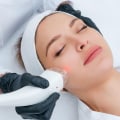
When you arrive for your facial designed specifically for acne-prone skin, the process typically begins with a thorough consultation. A licensed esthetician will assess your skin type, discuss your skincare routine, and identify specific concerns related to your acne. This personalized approach ensures that the treatment is tailored to your unique needs. Following the consultation, the facial will commence with a gentle cleansing of your skin. The esthetician will use a cleanser formulated for acne-prone skin, which helps remove impurities and excess oil without causing irritation. Next, an exfoliation step is crucial.This may involve a mild chemical exfoliant or a gentle scrub designed to slough off dead skin cells that can clog pores and exacerbate acne. The exfoliation process helps to reveal fresher skin underneath and can improve the overall texture. After exfoliation, steaming may be introduced. The steam helps to open up pores, making it easier to extract any blackheads or whiteheads. This step is particularly beneficial for individuals with acne-prone skin, as it prepares the skin for extraction without causing trauma. Then comes the extraction phase.
The esthetician will carefully remove any clogged pores using sanitized tools. This process can be uncomfortable but is essential for clearing up acne and preventing future breakouts. Once extractions are complete, a soothing mask is applied. This mask often contains ingredients like salicylic acid or tea tree oil, known for their acne-fighting properties. The mask helps calm inflammation and reduces redness, providing relief to irritated skin. Finally, the facial concludes with the application of a toner, serum, and moisturizer tailored for acne-prone skin.
These products help to hydrate the skin while maintaining a balance that prevents further breakouts. Throughout the entire facial experience, your esthetician will provide guidance on aftercare and recommend suitable home skincare products to maintain the benefits of the treatment. By understanding what to expect during your facial, you can feel more comfortable and empowered in managing your acne-prone skin.In conclusion, managing acne-prone skin requires a thoughtful approach, and effective facials for acne-prone skin can play a significant role in achieving clearer, healthier skin. We discussed the various facets of acne-prone skin, explored the different types of facials specifically designed for treatment, and highlighted what to expect during your facial experience. Moreover, choosing the right medspa is crucial for receiving tailored treatments that meet your unique skin needs. By consulting with skincare professionals, you can uncover personalized solutions that are effective for your condition.
Remember, investing in your skin is an investment in your confidence and well-being.