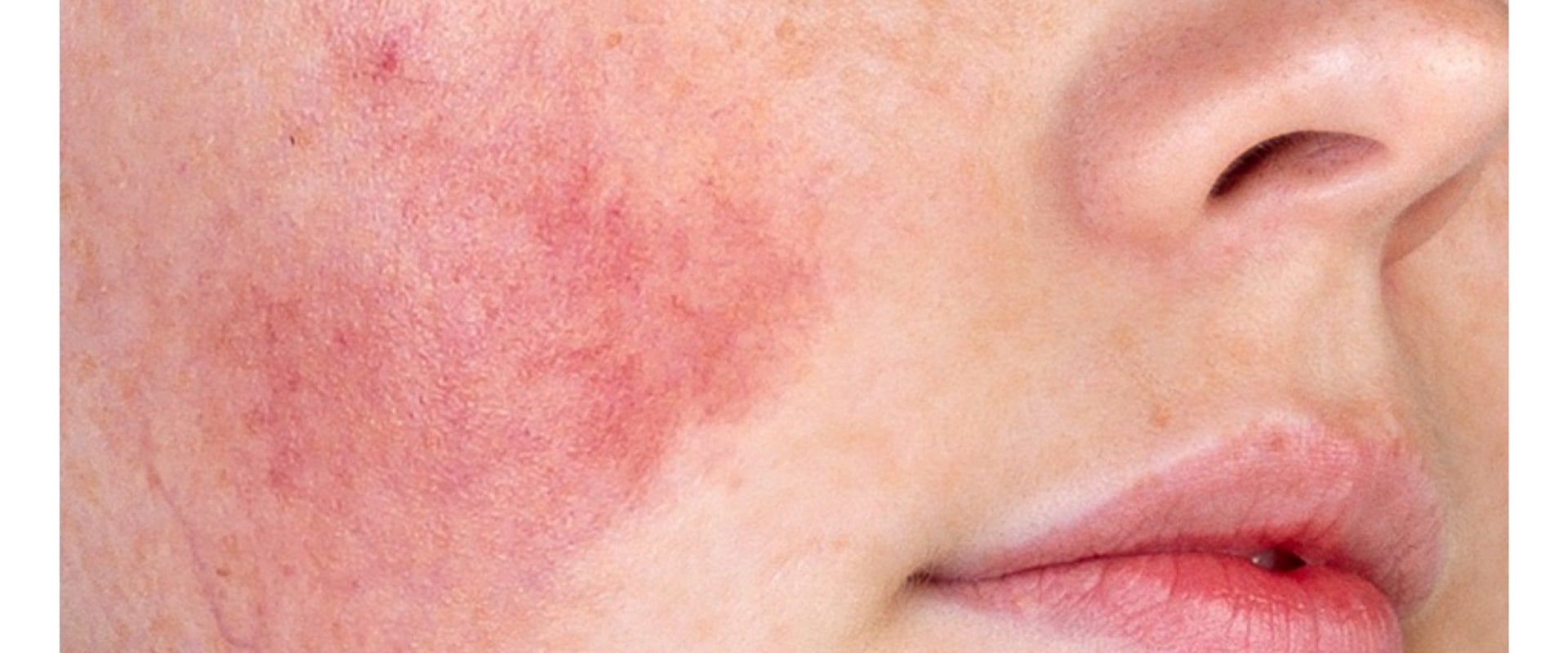
When it comes to achieving radiant and healthy skin, understanding your unique needs is essential. For individuals with Sensitive SkinSensitive Skin, this journey can be particularly challenging. Various factors can contribute to skin sensitivity, including environmental triggers, skincare products, and even lifestyle choices. As you explore the realm of facial treatments, it becomes crucial to consider these specific Sensitive Skin Considerations that can make or break your skincare routine. The world of facials offers a plethora of options designed to address different skin types and concerns.
However, for those with sensitive skin, not all treatments are created equal. A one-size-fits-all approach may lead to irritation or exacerbate existing issues, leaving you frustrated and disheartened. This article aims to shed light on the importance of recognizing and addressing the unique characteristics of sensitive skin when selecting facial treatments. From understanding the ingredients in your products to choosing the right techniques that minimize irritation, we will guide you through a comprehensive overview of what it means to care for sensitive skin in a facial context. Whether you're new to skincare or looking to refine your existing regimen, our insights will empower you to make informed decisions that nurture rather than harm your delicate complexion. Join us as we delve into the intricacies of Sensitive Skin Considerations for facial treatments, equipping you with the knowledge needed to embrace your unique beauty confidently.
Your journey to glowing skin starts here!Individuals with sensitive skin often face unique challenges when it comes to choosing the right facial treatments. Sensitive skin can manifest as redness, irritation, dryness, and in some cases, allergic reactions. These symptoms can be exacerbated by harsh products or treatments that are not specifically designed for this skin type. Therefore, it's crucial for those with sensitive skin to be mindful of their choices when selecting facials at medical spas. At medical spas, there are several types of facial treatments that cater specifically to often face unique challenges when it comes to choosing the right facial treatments. Sensitive skin can manifest as redness, irritation, dryness, and in some cases, allergic reactions. These symptoms can be exacerbated by harsh products or treatments that are not specifically designed for this skin type. Therefore, it's crucial for those with sensitive skin to be mindful of their choices when selecting facials at medical spas. At medical spas, there are several types of facial treatments that cater specifically to sensitive skin.
One popular option is the calming facial, which typically involves gentle cleansing, soothing masks, and the application of hydrating serums designed to reduce inflammation and redness. Ingredients such as aloe vera, chamomile, and oatmeal are commonly used in these facials to provide immediate relief from irritation and promote healing. Another effective treatment for sensitive skin is the hydrating facial. This type of facial focuses on replenishing moisture levels in the skin, which is often compromised in those with sensitivity issues. The use of hyaluronic acid and glycerin helps to lock in hydration and create a barrier against environmental aggressors.
By restoring moisture, clients can see an improvement in skin texture and a reduction in sensitivity over time. For those who experience mild sensitivity but still want to address issues such as uneven texture or dullness, enzyme peels can be a great option. Unlike traditional chemical peels that may be too harsh for sensitive skin, enzyme peels use natural fruit enzymes to gently exfoliate without causing irritation. This process not only helps to brighten the complexion but also aids in unclogging pores and reducing the likelihood of breakouts. When considering any facial treatment, it's essential for individuals to assess their own skin type and sensitivities beforehand. A good starting point is to identify any known triggers that exacerbate their condition, such as specific ingredients or environmental factors.
Additionally, consulting with a professional esthetician or dermatologist can provide valuable insights into what treatments will be most beneficial. Many professionals recommend performing a patch test prior to undergoing any new treatment to ensure that the products used won't provoke an adverse reaction. There are also common misconceptions surrounding facials for sensitive skin. One prevalent belief is that all facials are too harsh and will worsen sensitivity. However, this is not the case; many facials are specifically formulated with gentle ingredients that cater to sensitive skin needs.
Professionals at medical spas are trained to customize treatments based on individual skin assessments, ensuring that clients receive the care their skin requires. In conclusion, individuals with sensitive skin should feel empowered to explore facial treatments that are tailored to their unique needs. By understanding the different types of facials available at medical spas, such as calming facials, hydrating treatments, and enzyme peels, they can make informed decisions that enhance their skin health while minimizing the risk of irritation. Ultimately, prioritizing a careful selection process will lead to a more satisfying skincare experience.
Choosing the Right Medspa
When it comes to caring for sensitive skin, selecting the right medspa is essential to ensure safe and effective treatments. Here are some tips to help you choose a reputable medspa that caters to your unique needs. First, check the credentials of the medspa and its practitioners.Look for licensed professionals with experience in treating sensitive skin. Verify their qualifications, certifications, and any specialized training they may have in dermatology or skincare. Next, read reviews from previous clients. Online platforms and social media can provide insights into the experiences of others who have sought treatment for sensitive skin. Pay attention to feedback regarding their satisfaction with the services, staff professionalism, and overall atmosphere of the medspa. Additionally, don't hesitate to ask about specialized treatments tailored for sensitive skin.
A reputable medspa will be knowledgeable about various skin types and will offer customized solutions that minimize the risk of irritation or allergic reactions. Inquire about the products they use and whether they are suitable for sensitive skin. Finally, consider scheduling a consultation before committing to any treatment. This visit allows you to gauge the medspa's environment and ask questions about their approach to treating sensitive skin. A good medspa will prioritize your comfort and address any concerns you may have.
What to Expect During a Facial
When you arrive at a medspa for your facial treatment, the process typically begins with an initial consultation.During this consultation, a qualified skincare professional will discuss your specific concerns and goals related to your sensitive skin. This is an important step, as it allows the practitioner to tailor the facial treatment to your unique needs. Next, a detailed skin assessment will be performed. This may involve analyzing your skin type, identifying any specific sensitivities or conditions, and discussing your skincare routine. The practitioner may ask about any products you currently use, as well as any past experiences you have had with facials or skincare treatments. Once the assessment is complete, the practitioner will recommend a facial treatment that is suitable for sensitive skin.
It’s crucial to use gentle products that minimize irritation and avoid common allergens. The actual facial may include cleansing, exfoliation, and hydration techniques specifically designed for sensitive skin. After the facial treatment, the skincare professional will provide you with aftercare instructions. This guidance is essential to ensure that your skin remains calm and protected following the treatment. You may be advised to avoid certain products, direct sun exposure, or strenuous activities for a few days post-treatment.
Understanding Sensitive Skin
Sensitive skin is a condition that affects many individuals and is characterized by heightened reactivity to various environmental factors and products.People with this skin type often experience symptoms such as redness, itching, burning sensations, and dryness. These reactions can occur in response to a variety of stimuli, including harsh skincare ingredients, temperature changes, and even stress. Common characteristics of sensitive skin include a weakened skin barrier, which makes it more susceptible to irritation and inflammation. This can lead to issues like eczema or rosacea, making it crucial for those with sensitive skin to be cautious when selecting facial treatments. For example, treatments that involve strong exfoliation, aggressive chemical peels, or harsh scrubs can exacerbate irritation and cause further discomfort. Moreover, individuals with sensitive skin often have allergic reactions to certain ingredients found in skincare products.
Fragrances, preservatives, and certain botanical extracts are common culprits that can lead to adverse effects. Therefore, understanding one’s own skin sensitivities is essential in order to choose suitable facial treatments. In summary, the unique characteristics of sensitive skin necessitate a careful approach to skincare. Selecting treatments that are specifically formulated for sensitive skin can help mitigate risks and promote healthier skin outcomes.
Types of Facials for Sensitive Skin
When it comes to caring for sensitive skin, choosing the right facial treatment is essential to avoid irritation and promote a healthy complexion. Here are several types of facials offered at medspas that are specifically tailored for sensitive skin, along with their unique benefits:Hydrating Facial: This facial focuses on replenishing moisture and soothing the skin.It typically uses gentle, hydrating ingredients like hyaluronic acid and aloe vera, which help to calm inflammation and provide essential hydration without causing irritation.
Calming Facial:
Designed specifically for sensitive skin, this facial incorporates calming agents such as chamomile or green tea extract. These ingredients help reduce redness and irritation, making it an ideal choice for those who experience frequent flare-ups.Oxygen Facial:
An oxygen facial works by infusing oxygen into the skin, helping to promote healing and rejuvenation. This treatment is beneficial for sensitive skin as it enhances circulation and provides a soothing effect, reducing the appearance of redness and discomfort.Anti-Redness Facial:
This specialized facial targets the specific needs of those with sensitive skin prone to redness. Utilizing ingredients like niacinamide and calendula, it helps to strengthen the skin's barrier while reducing inflammation and enhancing overall skin tone.Gentle Exfoliating Facial:
While exfoliation is important for all skin types, sensitive skin requires a gentle approach.This facial uses mild exfoliants such as lactic acid or enzymatic exfoliants to remove dead skin cells without causing irritation, leaving the skin smooth and refreshed.
Customized Facial:
For individuals with sensitive skin, a customized facial allows practitioners to tailor treatments based on specific concerns and sensitivities. This option can include a combination of the aforementioned treatments, ensuring that each step is gentle and effective. In conclusion, selecting the appropriate facial treatment is vital for maintaining the health of sensitive skin. By understanding the various types of facials available at medspas, individuals can make informed decisions that promote their skin's well-being while minimizing the risk of adverse reactions. In conclusion, it is essential to recognize that individuals with sensitive skin face unique challenges when selecting facial treatments. Throughout this article, we have explored the characteristics of sensitive skin, discussed the types of facials that are most suitable, and outlined what one can expect during a treatment.We also emphasized the importance of choosing the right medspa that understands these nuances. By prioritizing personalized care and consulting with skincare professionals, individuals with sensitive skin can find treatments that not only address their specific needs but also enhance their overall skin health. Remember, taking the time to choose wisely will lead to more effective and satisfying results.